Stop Getting Tilted by Tier Lists: Your Guide to Actually Using Character Rankings
Why That S-Tier Pick Just Cost You Your Ranked Match
Picture this: you just watched your favorite pro player demolish everyone with Kazuya in Tekken 8, so you hop into ranked ready to climb. Three matches later, you’re staring at a loss streak wondering why this “broken” character feels like you’re piloting a shopping cart with square wheels. Sound familiar? You just fell into the tier list trap that catches about 90% of fighting game players at some point.
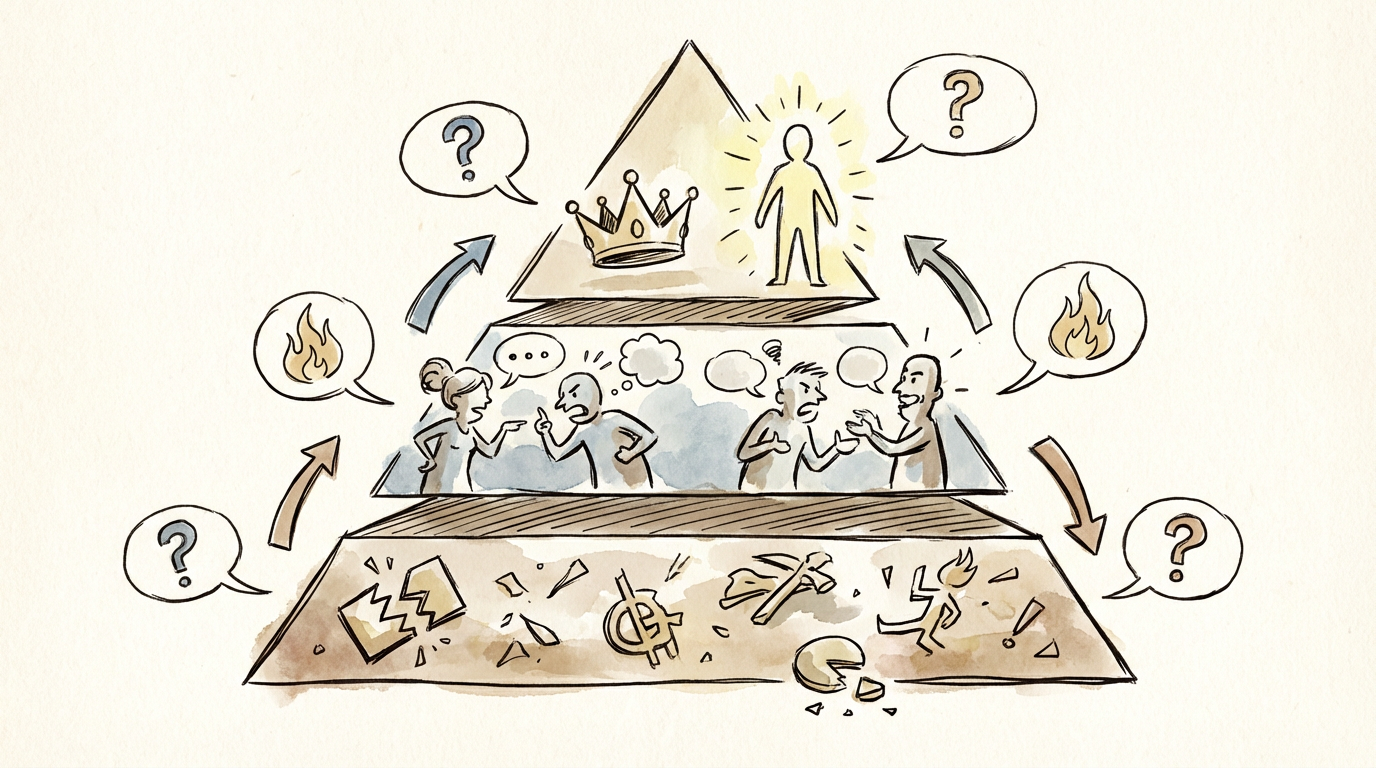
Here’s what nobody mentions in those heated Twitter debates about tier lists. They’re snapshots of perfect play under perfect conditions, usually reflecting high-level tournament results where players have invested thousands of hours into specific matchups. When Knee wins EVO with a character, that doesn’t automatically make them your ticket to Fujin rank. The gap between theoretical strength and what actually happens in your matches is massive, especially when you factor in your current skill level and what feels natural to you.
I’ve watched players struggle for months with top-tier characters that fight against their natural tendencies. Meanwhile, their friends climb steadily with supposedly “mid-tier” picks. The secret? They chose characters that amplified their existing strengths rather than chasing the latest tier list rankings. Your main should feel like an extension of your own decision-making, not a constant uphill battle against your instincts.
Reading Between the Lines: What Tier Lists Actually Tell You
Professional tier lists aren’t fortune cookies predicting your next promotion. They’re data sets reflecting matchup spreads, combo damage potential, defensive options, and neutral game tools at the absolute highest level of play. When top players rank a character highly, they’re considering factors like frame data optimization, option coverage, and adaptability across multiple matchups that might not even apply to your rank bracket.
Take Street Fighter 6’s Luke, consistently placed in S-tier across most professional rankings. His placement reflects incredible versatility, strong neutral tools, and explosive damage potential. But here’s what the tier list doesn’t show you: Luke requires precise spacing, consistent anti-air timing, and smart meter management to reach that theoretical power level. Miss those fundamentals, and you’re just throwing out random flashfire rushes hoping something connects.
The real value in tier lists comes from understanding the reasoning behind placements. Instead of asking “who should I play,” start asking “what tools make this character strong” and “how do these tools translate to my current gameplay level.” A character’s tier placement should inform your expectations and learning priorities, not dictate your character selection.
Smart players use tier lists as reference guides for understanding game mechanics and matchup dynamics. They look at why Chun-Li gets ranked highly and recognize the importance of strong buttons and mobility options. Then they figure out how well they can currently use those tools, or whether another character might better suit their developing skillset.
The Matchup Reality Check: Why Context Beats Rankings
Every tier list assumes perfect knowledge and execution, but your actual matches happen in the messy reality of incomplete information and human error. That “low-tier” character might have specific tools that completely shut down strategies common in your rank range. For you, they’re effectively higher tier.
Consider Tekken 8’s Azucena, often placed in mid-tier on professional lists. Her rankings reflect certain limitations in high-level play where opponents can consistently punish her more linear approaches. But in intermediate ranks where players struggle with movement and punishment timing, her aggressive rushdown style and relatively simple gameplan can feel overwhelming. Opponents who haven’t developed the specific defensive skills to counter her effectively will get steamrolled.
This is where understanding your local meta matters more than any pro tier list. Pay attention to what characters and strategies you encounter most frequently in your matches. If everyone in your rank is playing aggressive rushdown styles, a character with strong defensive options might outperform their tier ranking in your specific environment. Your “tier list” should reflect the reality of what you’re actually facing, not what happens in tournament grand finals.
Start tracking your own matchup data over 20-30 games. Note which character types give you trouble and which ones you consistently beat. This personal data often reveals gaps in your gameplay that character switching won’t solve, and strengths you didn’t realize you had with your current main.
Building Your Personal Power Rankings
Creating your own tier list based on your actual performance and preferences gives you actionable insight that generic rankings can’t provide. Track your win rates against different character archetypes. Note which of your main’s tools you actually use effectively. Identify which matchups feel unwinnable versus challenging but manageable.
Start with honest self-assessment. Rate your execution consistency, your adaptation speed, and your mental state under pressure. A character that requires perfect backdash cancels might be S-tier in tournament play but C-tier for your current execution level. There’s no shame in acknowledging these gaps. Recognizing them helps you make strategic character and training decisions that actually accelerate your improvement.
Document specific scenarios where your character choice impacted match outcomes. Did you lose because your character lacks tools for a particular situation, or because you haven’t learned to use the tools they have? This distinction matters. The first suggests a character limitation worth considering in your personal rankings. The second points to training opportunities that will improve your results regardless of tier placement.
Your personal tier list should evolve with your skill development. Characters that felt impossible at one rank might become manageable as your fundamentals improve. Conversely, strategies that carried you through lower ranks might become less effective as opponents develop stronger defensive skills. Regular reassessment keeps your character choice aligned with your current capabilities and goals.
Turning Tier List Knowledge Into Training Plans
The most productive approach treats tier lists as learning roadmaps rather than character selection guides. Study what makes highly-ranked characters effective, then identify which of those principles you can incorporate into your gameplay regardless of your main choice. Strong neutral game, consistent anti-airs, and smart meter usage work across character boundaries.
Use tier list discussions to identify knowledge gaps in your gameplay. If you can’t explain why a character gets ranked highly or lowly, you probably don’t understand important game mechanics or strategic concepts. Research those gaps. Understanding why Dhalsim struggles in certain matchups teaches you about spacing and pressure, knowledge that improves your play with any character.
Set specific training goals based on tier list insights. If top-tier characters share certain defensive options, prioritize learning to challenge those options with your main. If you’re getting bodied by a highly-ranked character, lab specific situations rather than complaining about balance. Most “broken” strategies have counterplay once you understand what’s actually happening.
What’s your experience with tier list discussions in your main game? Have you found success sticking with lower-ranked characters, or did switching to a top tier finally unlock your next rank? Drop your thoughts and let’s figure out what tier lists actually mean for your specific climb.
Comments are Disabled