The “Skill Issue” Problem: When Gatekeeping Hides Behind Meritocracy in Gaming Communities
The Term That’s Everywhere Now (And What It Really Means)
You’ve definitely seen it. Someone gets destroyed in ranked, posts a clip asking for help, and the replies come flooding in: “skill issue,” “git gud,” “just learn the matchup.” The phrase has become so ubiquitous that it’s hard to remember it wasn’t always part of gaming vocabulary. Between 2022 and 2024, usage of the term “skill issue” exploded across Reddit gaming communities, showing up 340% more frequently than it did just two years prior. That’s not just a meme going mainstream. That’s a linguistic shift that says something about how we’re talking to each other in online games right now.
On the surface, “skill issue” seems like harmless shorthand. It’s dismissive, sure, but it also contains a kernel of truth that appeals to competitive gamers. If you’re losing, then technically, you do have a skill gap to close. The problem is that this phrase has become the default response to absolutely everything. Someone struggling with a champion? Skill issue. New player overwhelmed by complexity? Skill issue. Getting matched against a smurf account? You already know what they’re going to say.
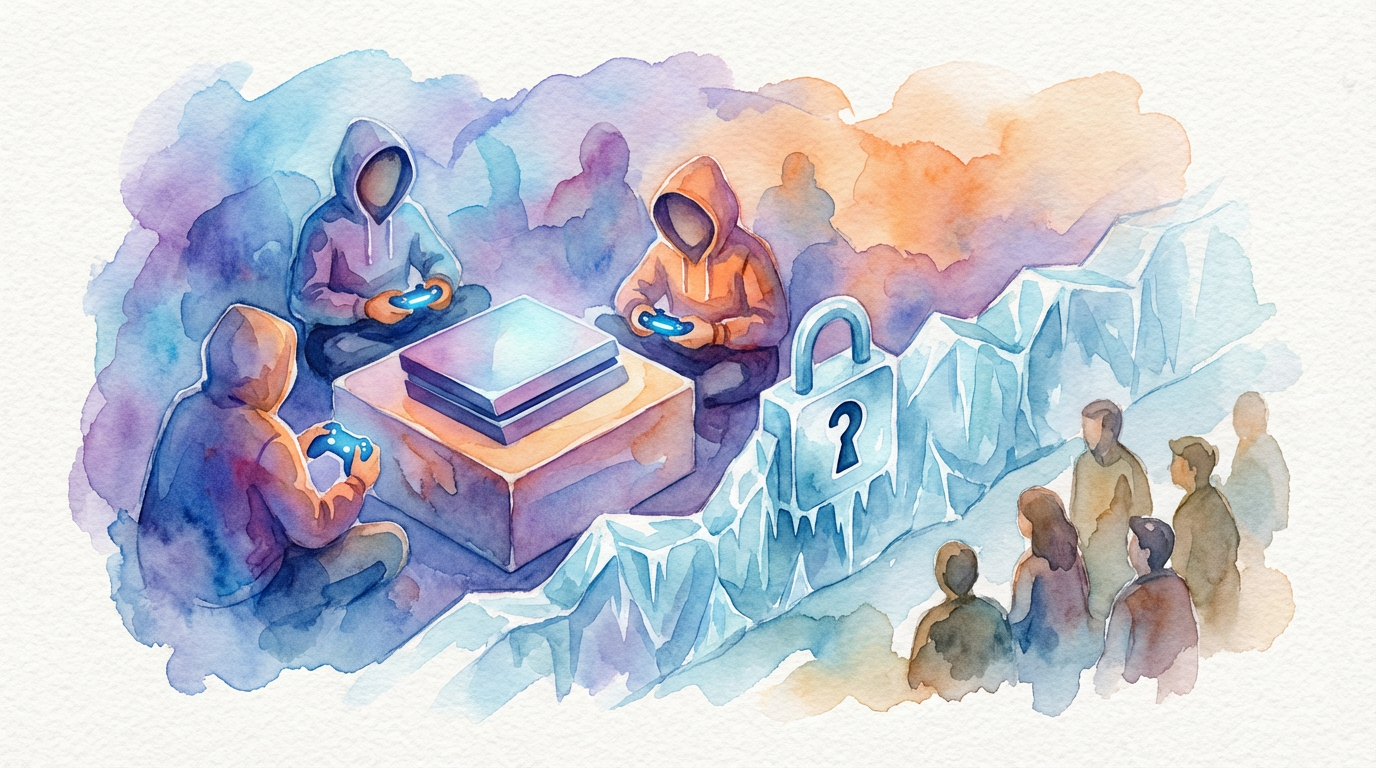
But here’s where things get complicated. When a term starts appearing this frequently across communities, it stops being just vernacular. It becomes cultural scaffolding. And lately, that scaffolding seems designed to separate who belongs in a space and who doesn’t.
The Harassment Numbers We Can’t Ignore
The data paints a harsh picture of what’s happening in multiplayer gaming right now. The ADL Free To Play 2024 gaming harassment report found that roughly two-thirds of multiplayer gamers in the US have experienced some form of harassment while playing online. That’s not surprising by itself. What matters more is the second finding: newcomers and casual players are being targeted at significantly higher rates than they were in previous years. This isn’t random toxicity. This is directed toward the people trying to break into communities.
Think about your own experience. When you were learning your main character, how many times did someone tell you that you were playing them “wrong”? How many times did someone say you shouldn’t be playing ranked until you had 200 more hours logged? These interactions stick with people. A lot of them stick hard enough to make players quit entirely.
The correlation is clear enough that major studios have noticed. Riot Games specifically added new report categories to League of Legends’ in-game system in 2024, focusing on dismissive and exclusionary communication after surveying over 10,000 players about what was making the community feel worse. They didn’t do that because everything was fine. They did it because enough people were reporting that being told they had a “skill issue” was making them feel like they weren’t welcome.
When “Meritocracy” Becomes an Excuse for Exclusion
Here’s something that might sting a little, depending on your community. A recent study published in Computers in Human Behavior found that gaming communities with the strongest “meritocratic” identity (the ones that loudly proclaim that only skill matters) actually showed significantly higher rates of exclusionary behavior toward women and LGBTQ+ players. Not lower. Higher. The communities that talk the most about pure skill-based hierarchy are the ones doing the most active gatekeeping.
What does this look like in practice? It means a woman asking for advice on positioning gets told to “stop whining and learn the game.” It means a trans player getting their rank questioned in ways that straight players don’t experience. It means that when someone doesn’t fit the profile of who “should” be playing at that level, the meritocratic arguments suddenly come out extra strong. “This isn’t for casual players” becomes code for “this isn’t for people like you.”
The skill-issue framing is perfect for this because it’s deniable. You’re not saying someone doesn’t belong because of who they are. You’re just saying they don’t have enough skill. Perfectly logical. Perfectly reasonable. And perfectly useful as a weapon against anyone who threatens the community’s composition.
What Happened When One Community Tried to Fix It
Helldivers 2 attempted something genuinely experimental in 2024. The team set up a community council that gave players direct voting power on game balance decisions. It should have been a win for community engagement. Instead, the whole structure collapsed under the weight of internal toxicity. Players who considered themselves “skilled” aggressively gatekept discussions around balance changes, using dismissive language to override concerns from casual and newer players. Arrowhead’s developers eventually documented the failure in a Arrowhead Game Studios developer blog post-mortem that was remarkably honest about the gatekeeping they observed.
The lesson here matters. When you give a community direct power without addressing the underlying culture, the people with the most time to spend (and the least patience for newcomers) usually win. The people telling others they have a “skill issue” don’t go anywhere. They just get louder because they now have institutional backing.
So What Do We Do About This?
The first thing is recognizing the difference between constructive criticism and gatekeeping disguised as criticism. If someone asks for help and gets told “skill issue,” that’s gatekeeping. If someone asks for help and gets told “here’s what I struggled with in that matchup and how I worked through it,” that’s community. One shuts doors. One opens them.
The second thing is understanding that skill development and belonging are not mutually exclusive. You can simultaneously tell someone that they need to improve AND make them feel welcome while they’re doing it. “You’re not there yet, but here’s how to get there” is radically different from “this isn’t for you.” The first one builds communities. The second one just gatekeeps.
If you’re someone who dominates your rank and you’re tempted to drop “skill issue” on someone’s question, stop and think about what you’re actually doing. You’re choosing between two responses. One takes thirty seconds and makes someone feel worse. The other takes a minute and genuinely helps. The communities that are actually thriving right now are the ones where the experienced players choose that second option consistently.
What’s your experience been? Have you noticed this shift in your main communities? Have you seen spaces that actually handle new player onboarding well, or do most of them seem to lead with gatekeeping? Drop your thoughts on where you’re seeing either the toxicity or the genuine mentorship happening. The gaming spaces we build together are the ones that get to stick around.
Comments are Disabled