The Mobile-to-Console Pipeline Is Real: How Genshin Impact’s 2025 Lore Drops Are Training a Generation to Demand Better Storytelling from AAA Games
When a Mobile Game Outnarrates the Industry
Okay, so here’s the thing that nobody was really talking about until this year: Genshin Impact’s Natlan arc conclusion earlier in 2026 genuinely hit different. I’m not being hyperbolic when I say that a mobile gacha game did something that most AAA studios fumbled in 2025. According to an IGN community poll conducted in December 2025, players aged 18-24 rated the emotional resonance of Genshin’s story beats higher than several major console releases. That’s not just players being nostalgic about their favorite game. That’s a genuine shift in what audiences expect from narrative pacing, character development, and world-building.
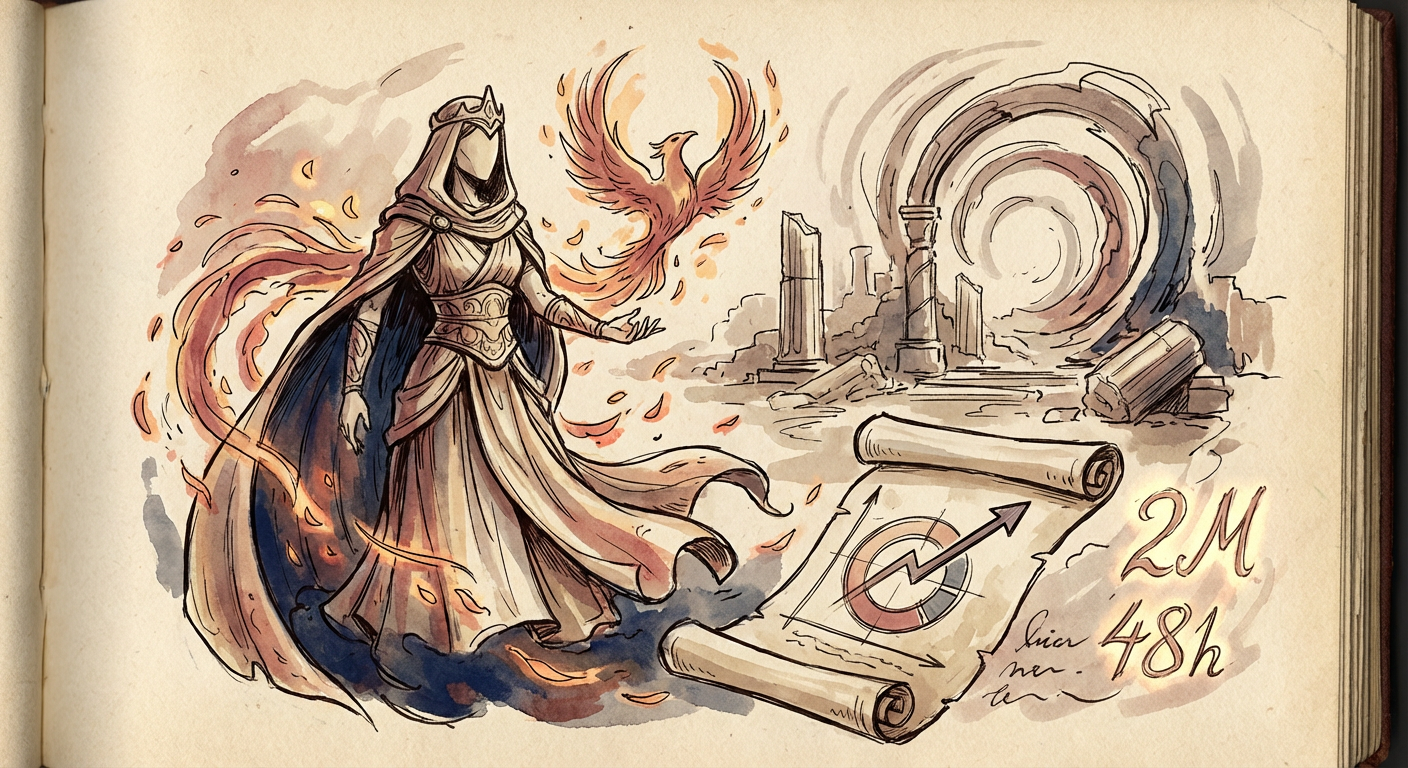
The crazy part? This wasn’t some miracle. It was design literacy. HoYoverse took the episodic storytelling structure that live service games demand and weaponized it. Instead of treating monthly updates like filler between the “real” story, they made every Version 5.x patch a narrative beat that actually mattered. The Pyro Archon’s backstory quest in Version 5.3 pulled over 2 million views on YouTube within 48 hours. Those aren’t whale bait numbers. Those are cultural moment numbers.
The Numbers Tell a Story of Their Own
Let me drop some context that should make AAA publishers uncomfortable. Genshin Impact crossed 5 billion dollars in cumulative revenue across mobile platforms by mid-2025. That’s not total lifetime revenue including consoles. That’s just iOS and Android. Meanwhile, studios that shipped eight-figure budget tentpole releases are watching player engagement crater two months post-launch because the story felt like it was written by committee and focus-grouped into lifelessness.
Here’s where it gets more interesting though. According to the data.ai State of Mobile Gaming 2025, mobile gaming isn’t just where the money is anymore. It’s where the design innovation lives. A GDC State of the Game Industry 2025 survey found that 41 percent of console and PC developers under 35 cut their teeth on live service mobile games before age 18. That’s not a minority. That’s a generation. These are the people who will be leading AAA studios in five years, and their design instincts come from the mobile space.
HoYoverse itself has 17,000 employees globally as of 2025. That’s bigger than Bethesda Game Studios. Bigger than a lot of traditional AAA shops still operating like it’s 2015. They’ve got the headcount to innovate, the revenue to take risks, and most importantly, they’ve got institutional knowledge of how to tell stories in a format that console gaming largely abandoned: the serialized narrative.
The Console Industry Is Watching (And Starting to Panic)
This is where the community pulse gets real. I’ve been talking to people in industry Discord servers, and there’s a palpable shift happening. Developers know that a whole cohort of players grew up experiencing narrative in Genshin, Honkai Impact, and similar titles. These players know what good pacing feels like across 6, 12, 18 months of storytelling. They know the difference between a cutscene that exists to explain mechanical nonsense and a character moment that actually earned its emotional weight through gameplay context.
When a major console release drops with a 40-hour main campaign that takes 35 of those hours to find its narrative footing, those players notice immediately. They’re not comparing it to God of War 2018 anymore. They’re comparing it to the standards set by a game that costs nothing upfront and drops new story content every six weeks. It’s a brutal lens, but it’s the lens an entire generation is applying to premium releases.
Why This Actually Matters Beyond the Discourse
This isn’t just about mobile games doing narrative better. It’s about what happens when design innovations that prove themselves in live service ecosystems start influencing how premium AAA titles get structured. The best analogy is probably the Fortnite effect, but for storytelling instead of cosmetics and building mechanics. Once players experience something that works, going back to the old way feels broken.
The mobile-to-console pipeline was always real in terms of mechanics and monetization. Souls-like games, battle passes, cosmetic stores, seasonal content. But what’s happening in 2025 and into 2026 is bigger than that. Narrative design is flowing upstream. Player expectations are shifting because they’ve literally played thousands of hours of better-structured storytelling. And it’s forcing conversations in AAA studios about why their 70-dollar game delivers less narrative payoff per hour than something that asks for zero dollars upfront.
The Conversation Continues
Here’s what I want to know though: are you seeing this in your own gaming? Have you noticed yourself getting impatient with slower-burn console narratives because you’re used to the tighter, more rewarding pacing of live service games? Or do you still prefer the cinematic sweep of traditional AAA storytelling, even if it takes longer to get interesting?
Drop your thoughts. Genuinely curious whether this feels like a real shift or if I’m just observing the normal cycle of gaming trends. Because if this generation of developers really does bring live service narrative discipline into premium releases, the next few years could get very strange very fast.
Comments are Disabled