Posts By Bruce Johnson
Valorant’s Neural Link Anti-Cheat Has Everyone Talking – Here’s Why Your Ranked Games Might Never Be the Same
The System That’s Making Cheaters Rage Quit (And Some Legit Players Too)
When Riot dropped Vanguard Neural Link in January 2026, the competitive Valorant scene basically exploded overnight. This isn’t your typical kernel-level anti-cheat update we’re talking about here. We’re dealing with AI that watches how you move your mouse, analyzes your crosshair placement patterns, and can supposedly tell if you’re human or running scripts just by watching you play. The numbers don’t lie either – professional matches saw an 89% drop in cheating incidents almost immediately after implementation.
But here’s where things get spicy. That same AI system that’s keeping your ranked games cleaner than a freshly wiped Ascent site also flagged 12,000 legitimate players as cheaters. Yeah, you read that right. Twelve thousand players got hit with false positives because their mouse movements looked “too robotic” to the system. Plot twist? Most of these were players using accessibility devices or custom hardware setups that help them compete despite physical limitations.
The irony is thick enough to cut with a Raze grenade. A system designed to catch inhuman behavior ended up targeting some of the most dedicated human players in our community. It’s like watching your favorite duelist whiff an easy spray only to accidentally headshot someone through smoke. Frustrating, but also kind of fascinating from a technical standpoint.
When Pros Start Throwing Shade at Your Anti-Cheat
February 2026 became the month when even our most beloved professional players couldn’t stay quiet anymore. Both Yay and TenZ went public with their criticism after Neural Link disrupted their practice routines with false flags. When players of their caliber are getting interrupted mid-scrim because an AI thinks their flick shots are suspicious, you know something’s fundamentally broken with the detection algorithms.
TenZ’s Twitter thread about getting locked out of his account during Champions preparation went viral faster than a Phoenix ult rush. The man literally had to submit gameplay footage to prove he wasn’t cheating. Imagine having to justify your own muscle memory to a computer. Yay’s response was more measured but equally pointed, questioning whether the system understood the difference between consistent high-level play and actual automation.
These weren’t random complaints from frustrated ranked grinders. These were methodical critiques from players who understand frame-perfect timing and pixel-perfect crosshair placement better than anyone. When they say the system can’t distinguish between peak human performance and artificial assistance, that carries weight in our community.
The Privacy Elephant in the Server Room
Here’s where Neural Link gets really controversial, and it’s not just about false positives anymore. The Riot Games Official Vanguard Neural Link Documentation reveals the system collects biometric data patterns including mouse grip analysis, keystroke timing, and even micro-movements during aim adjustment. That’s basically fingerprinting how your brain controls your hands while gaming.
The European Union wasn’t having any of it. March 2026 brought the Digital Rights Commission investigation, and their EU Digital Rights Commission Investigation Report raised serious questions about data retention and cross-platform sharing. The concern isn’t just about Valorant anymore. It’s about setting precedent for what gaming companies can monitor and store about our physical behaviors.
Think about it this way: Neural Link doesn’t just know if you’re cheating. It knows if you’re tired, stressed, or playing differently because you switched from coffee to energy drinks. That level of behavioral analysis goes way beyond traditional anti-cheat territory. We’re talking personal privacy concerns that affect every player in our community.
The Viewership Boom That’s Making Everyone Rethink Things
Despite all the controversy, Valorant Champions Tour viewership jumped 34% in Q1 2026 compared to the previous year. That’s not coincidence. That’s competitive integrity paying dividends. When viewers know the matches are clean, they’re more likely to invest emotionally in the outcomes. Every clutch feels more genuine, every comeback seems more impressive, and every upset carries more weight.
The esports ecosystem is responding positively to cleaner competition, even while individual players struggle with the system’s growing pains. Tournament organizers report higher engagement rates, sponsors are more confident in competitive outcomes, and broadcast numbers keep climbing. It’s creating this weird tension where the community loves the results but hates the process.
This viewership surge is also influencing other competitive games to consider similar systems. If Neural Link’s approach becomes the industry standard, we’re looking at a fundamental shift in how anti-cheat technology integrates with professional gaming. The question becomes whether other developers can implement AI-based detection without repeating Riot’s accessibility and privacy missteps.
What This Really Means for Your Ranked Grind
For most players grinding through ranked, Neural Link represents both opportunity and anxiety. Your games are statistically cleaner than they’ve ever been, but there’s always that nagging worry about whether your own playstyle might trigger a false positive. Players with unique grip styles, accessibility needs, or hardware setups live with constant uncertainty about their account security.
The system’s learning curve means it’s getting better at distinguishing legitimate play from cheating, but that improvement comes at the cost of community trust. Every update brings new detection methods and new potential edge cases where legitimate players might get caught in the crossfire. It’s like playing ranked with an invisible referee who’s still learning the rules.
The bigger picture here isn’t just about Valorant’s anti-cheat evolution. We’re watching the gaming industry test the boundaries of privacy, accessibility, and competitive integrity in real time. Neural Link’s success and failures are shaping how future anti-cheat systems will balance effectiveness against player rights. Whether you’re a casual player or aspiring pro, these decisions are defining what competitive gaming looks like for the next decade.
What’s your take on Neural Link’s trade-offs? Have you noticed cleaner games in your ranked experience, or are you concerned about the privacy implications? The community conversation around this system is still evolving, and every player’s perspective helps shape where competitive gaming goes from here.
Valorant’s Neural Link Anti-Cheat Has Everyone Talking – Here’s Why Your Ranked Games Might Never Be the Same
The System That’s Making Cheaters Rage Quit (And Some Legit Players Too)
When Riot dropped Vanguard Neural Link in January 2026, the competitive Valorant scene basically exploded overnight. This isn’t your typical kernel-level anti-cheat update we’re talking about here. We’re dealing with AI that watches how you move your mouse, analyzes your crosshair placement patterns, and can supposedly tell if you’re human or running scripts just by watching you play. The numbers don’t lie either – professional matches saw an 89% drop in cheating incidents almost immediately after implementation.
But here’s where things get spicy. That same AI system that’s keeping your ranked games cleaner than a freshly wiped Ascent site also flagged 12,000 legitimate players as cheaters. Yeah, you read that right. Twelve thousand players got hit with false positives because their mouse movements looked “too robotic” to the system. Plot twist? Most of these were players using accessibility devices or custom hardware setups that help them compete despite physical limitations.
The irony is thick enough to cut with a Raze grenade. A system designed to catch inhuman behavior ended up targeting some of the most dedicated human players in our community. It’s like watching your favorite duelist whiff an easy spray only to accidentally headshot someone through smoke. Frustrating, but also kind of fascinating from a technical standpoint.
When Pros Start Throwing Shade at Your Anti-Cheat
February 2026 became the month when even our most beloved professional players couldn’t stay quiet anymore. Both Yay and TenZ went public with their criticism after Neural Link disrupted their practice routines with false flags. When players of their caliber are getting interrupted mid-scrim because an AI thinks their flick shots are suspicious, you know something’s fundamentally broken with the detection algorithms.
TenZ’s Twitter thread about getting locked out of his account during Champions preparation went viral faster than a Phoenix ult rush. The man literally had to submit gameplay footage to prove he wasn’t cheating. Imagine having to justify your own muscle memory to a computer. Yay’s response was more measured but equally pointed, questioning whether the system understood the difference between consistent high-level play and actual automation.
These weren’t random complaints from frustrated ranked grinders. These were methodical critiques from players who understand frame-perfect timing and pixel-perfect crosshair placement better than anyone. When they say the system can’t distinguish between peak human performance and artificial assistance, that carries weight in our community.
The Privacy Elephant in the Server Room
Here’s where Neural Link gets really controversial, and it’s not just about false positives anymore. The Riot Games Official Vanguard Neural Link Documentation reveals the system collects biometric data patterns including mouse grip analysis, keystroke timing, and even micro-movements during aim adjustment. That’s basically fingerprinting how your brain controls your hands while gaming.
The European Union wasn’t having any of it. March 2026 brought the Digital Rights Commission investigation, and their EU Digital Rights Commission Investigation Report raised serious questions about data retention and cross-platform sharing. The concern isn’t just about Valorant anymore. It’s about setting precedent for what gaming companies can monitor and store about our physical behaviors.
Think about it this way: Neural Link doesn’t just know if you’re cheating. It knows if you’re tired, stressed, or playing differently because you switched from coffee to energy drinks. That level of behavioral analysis goes way beyond traditional anti-cheat territory. We’re talking personal privacy concerns that affect every player in our community.
The Viewership Boom That’s Making Everyone Rethink Things
Despite all the controversy, Valorant Champions Tour viewership jumped 34% in Q1 2026 compared to the previous year. That’s not coincidence. That’s competitive integrity paying dividends. When viewers know the matches are clean, they’re more likely to invest emotionally in the outcomes. Every clutch feels more genuine, every comeback seems more impressive, and every upset carries more weight.
The esports ecosystem is responding positively to cleaner competition, even while individual players struggle with the system’s growing pains. Tournament organizers report higher engagement rates, sponsors are more confident in competitive outcomes, and broadcast numbers keep climbing. It’s creating this weird tension where the community loves the results but hates the process.
This viewership surge is also influencing other competitive games to consider similar systems. If Neural Link’s approach becomes the industry standard, we’re looking at a fundamental shift in how anti-cheat technology integrates with professional gaming. The question becomes whether other developers can implement AI-based detection without repeating Riot’s accessibility and privacy missteps.
What This Really Means for Your Ranked Grind
For most players grinding through ranked, Neural Link represents both opportunity and anxiety. Your games are statistically cleaner than they’ve ever been, but there’s always that nagging worry about whether your own playstyle might trigger a false positive. Players with unique grip styles, accessibility needs, or hardware setups live with constant uncertainty about their account security.
The system’s learning curve means it’s getting better at distinguishing legitimate play from cheating, but that improvement comes at the cost of community trust. Every update brings new detection methods and new potential edge cases where legitimate players might get caught in the crossfire. It’s like playing ranked with an invisible referee who’s still learning the rules.
The bigger picture here isn’t just about Valorant’s anti-cheat evolution. We’re watching the gaming industry test the boundaries of privacy, accessibility, and competitive integrity in real time. Neural Link’s success and failures are shaping how future anti-cheat systems will balance effectiveness against player rights. Whether you’re a casual player or aspiring pro, these decisions are defining what competitive gaming looks like for the next decade.
What’s your take on Neural Link’s trade-offs? Have you noticed cleaner games in your ranked experience, or are you concerned about the privacy implications? The community conversation around this system is still evolving, and every player’s perspective helps shape where competitive gaming goes from here.
Why My 47-Minute Celeste Run Taught Me More Than Watching World Records
Your First Sub-Hour Run Is Worth More Than Someone Else’s World Record
I’ll never forget the moment I shaved three minutes off my Celeste any% time and cracked the 47-minute barrier. My hands were shaking, I was grinning like an idiot at my monitor, and I immediately called my friend to tell them about a wavedash sequence they’d never heard of. That run taught me something: speedrunning isn’t about becoming the next Games Done Quick headliner. It’s about discovering a completely different relationship with games you already love.
The beautiful thing about speedrun strategies is they work at every skill level. The same movement tech that saves world record holders 0.3 seconds will save you thirty seconds when you’re starting out. A simple route optimization that pros take for granted might cut five minutes off your casual playthrough. You don’t need frame-perfect inputs to feel the rush of a clean speedrun section.
Pick Your Poison: Three Speedrun Entry Points That Actually Work
Start with games where you can see immediate improvement without grinding execution for months. Super Metroid is perfect because sequence breaking feels magical even when you’re sloppy. Learning to walljump up the shaft in red Brinstar will blow your mind the first time you pull it off. The route knowledge alone will transform how you see the game world, turning those “decorative” platforms into shortcuts.
Portal speedruns offer instant gratification through pure problem-solving. You don’t need perfect aim to discover that you can skip entire puzzle sections by flinging yourself across gaps. The first time you realize you can solve chamber 15 in twelve seconds instead of two minutes, you’ll understand why speedrunners get obsessed. It’s not about memorizing inputs. It’s about seeing solutions where you once saw walls.
For something completely different, try A Hat in Time’s beginner-friendly movement system. The dive-jump-dive combo feels incredible once you get the rhythm, and Hat Kid’s forgiving collision detection means you won’t lose runs to pixel-perfect precision. Plus, the community is welcoming enough that you can ask questions without getting roasted for not knowing frame data.
The Route Knowledge Revolution: Think Like a Speedrunner, Play Like Yourself
Here’s the secret sauce: you don’t need to execute like a speedrunner to benefit from thinking like one. Learning optimal routes teaches you things about game design that casual playthroughs never reveal. When you discover that Hollow Knight’s Crystal Peak has three different ways to reach the same area, you start noticing how connected the world really is.
Start by watching one speedrun of your chosen game, but don’t focus on the crazy tech. Watch their routing decisions. Why do they grab that powerup now instead of later? Why do they take this seemingly longer path? Often, these choices solve problems you didn’t even know existed. In Metroid games, speedrunners grab energy tanks not because they need the health, but because the detours set up perfect positioning for later sequence breaks.
Practice one route segment at a time instead of attempting full runs. Master the path from Area A to Area B until it becomes muscle memory, then tackle the next section. This modular approach means you’re always improving something specific instead of hoping your overall time gets better through magic. When I finally learned the optimal path through Celeste’s City level, it cut my deaths in half even during casual playthroughs.
Movement Tech for Humans: Start With What Feels Good
Forget frame-perfect anything. Focus on movement tech that feels satisfying and saves obvious time. In most 2D platformers, learning to keep momentum through turns and transitions will improve your experience immediately. The exact frame timing matters less than understanding the concept and practicing until it feels natural.
Take Sonic games, where maintaining speed is everything. You don’t need to hit every spindash perfectly to benefit from speedrun movement. Just learning to use slopes for acceleration and avoiding unnecessary jumps will make you feel like you’re playing a different game. When you start flowing through Green Hill Zone without stopping, you’ll understand why people speedrun Sonic games despite the jank.
For 3D games, start with simple angle optimizations. In Super Mario 64, running diagonally moves you roughly 1.4 times faster than cardinal directions. This isn’t some hidden tech. It’s basic trigonometry that saves time in every single level. Learning to cut corners and take diagonal paths will shave minutes off your times without requiring any advanced techniques.
Building Your Practice Routine Without Burning Out
Set micro-goals that feel achievable this week, not this year. Instead of “get good at speedrunning,” try “learn the wall-jump section in level 3” or “find two new shortcuts in this area.” Specific goals keep you motivated because progress becomes measurable. When you nail that tricky movement sequence three runs in a row, you’ll know you’ve actually improved.
Use save states or level select when they’re available. There’s no shame in practicing difficult sections in isolation. Fighting games have training mode for a reason, and speedruns benefit from the same focused practice approach. Grinding the same challenging platforming section ten times teaches you more than failing it once per full run attempt.
Join a community, even if you’re just lurking. Most speedrun communities have beginner-friendly Discord servers where you can ask questions and share small victories. These spaces celebrate personal bests at every level, from first sub-hour runs to new world records. The encouragement you’ll get for improving your own times, regardless of how they compare to others, keeps the hobby fun instead of frustrating.
What game have you always wanted to see from a speedrunner’s perspective? Pick something you already enjoy, find a tutorial for beginners, and try one new route or technique this week. The worst thing that happens is you learn something cool about a game you love.

GTA VI’s $2 Billion Marketing Blitz Just Changed Gaming Forever (And Your Wallet Knows It)
The Marketing Budget That Broke Entertainment History
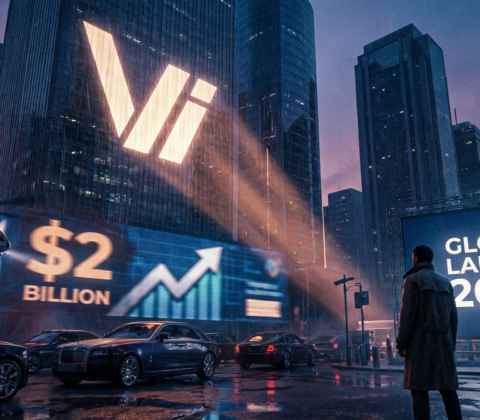
Holy. Freaking. Moly. Take-Two Interactive just dropped a marketing budget announcement that made my coffee go cold mid-sip. Two billion dollars. Not million. BILLION. With a capital B and about nine zeros trailing behind it. According to their Take-Two Interactive investor relations call from February, this is officially the largest marketing campaign in entertainment history. Not just gaming. ENTERTAINMENT. That includes every Marvel movie, every Super Bowl ad, every “we spent how much on what” Hollywood blockbuster you’ve ever heard of.
To put this in perspective, the entire production budget of Avengers Endgame was around $400 million. Rockstar is spending five times that amount just to tell people their game exists. This isn’t just marketing anymore. This is economic warfare disguised as hype generation. And honestly? After seeing those first gameplay trailers, I’m not even mad about it.
The community response has been absolutely nuclear. Reddit threads are hitting 50K upvotes in hours. Twitter is melting down in the best possible way. Everyone’s making jokes about how GTA VI’s marketing budget could probably fund actual space missions, but underneath all the memes, there’s this electric anticipation that I haven’t felt since the early days of GTA V online. This isn’t just another game launch. This is a cultural moment being manufactured in real time.
Pre-Order Numbers That Make CEOs Weep With Joy
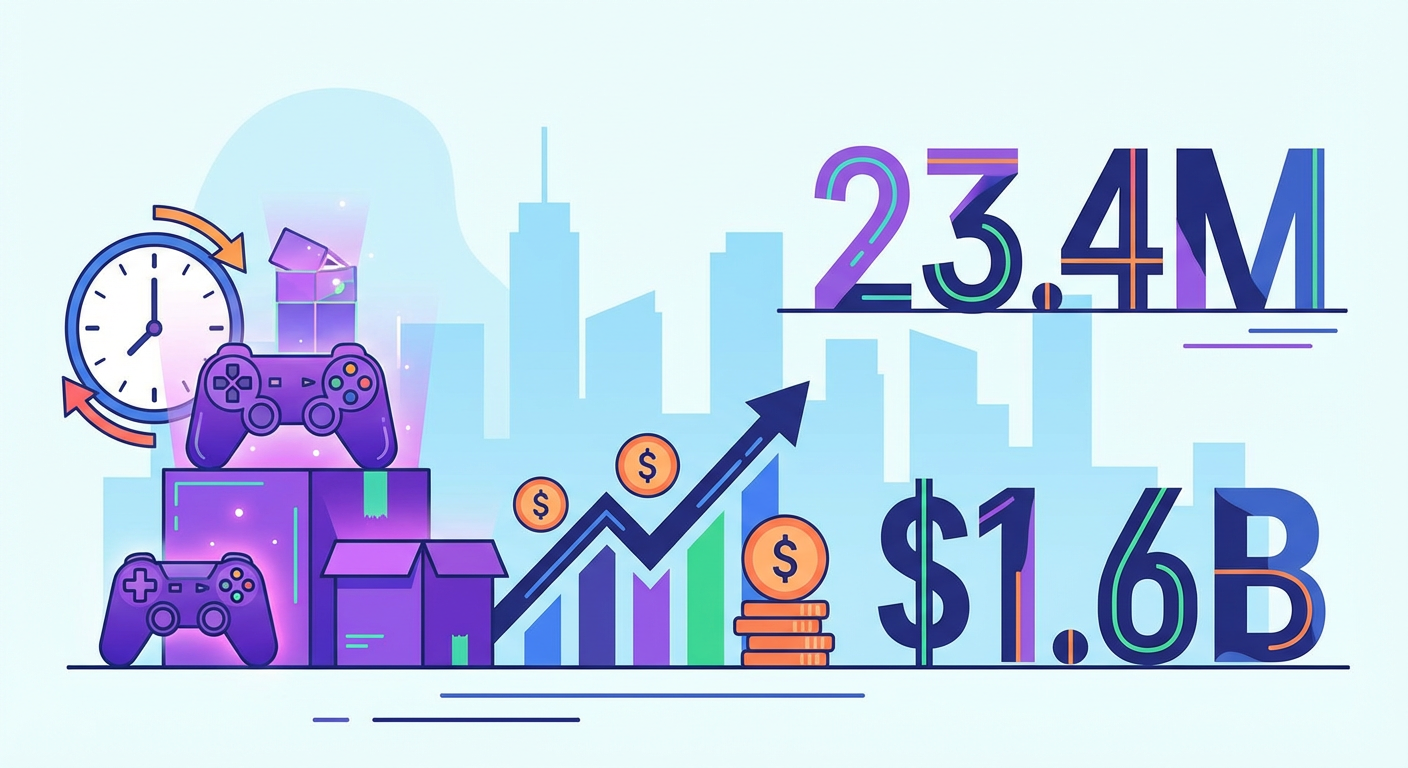
Remember when everyone said pre-orders were dying? Yeah, GTA VI just laughed in the face of that entire narrative. Within 72 hours of the pre-order announcement, 23.4 million people threw their money at Rockstar faster than players rush B site in Counter-Strike. That translates to $1.6 billion in guaranteed revenue before the game even ships. Before anyone has played a single mission. Before the first review drops. Before we even know if the heists are going to make us rage quit or become our new obsession.
These numbers aren’t just impressive, they’re reshaping how the entire industry thinks about launch strategies. When you can generate over a billion dollars in revenue from announcements alone, traditional marketing wisdom goes out the window. Why worry about review embargoes when you’ve already secured more money than most AAA games make in their entire lifecycle?
The pricing tiers are where things get really spicy though. We’re looking at everything from the standard $89.99 edition all the way up to a $299.99 Premium Edition that promises ten years of guaranteed content updates. Ten. Years. That’s not DLC planning, that’s lifestyle subscription gaming dressed up in a one-time purchase bow. And you know what? People are buying it. Because when Rockstar promises a decade of content, we remember how GTA Online kept evolving and believe they can actually deliver.
The Death of Local Storage and What It Means for Your Gaming Setup
Here’s where the rubber meets the road, and honestly, where I’m getting a little nervous. GTA VI clocks in at 180GB, which is massive but not unprecedented. What IS unprecedented? It’s the first major AAA title that requires mandatory cloud streaming components. You literally cannot play this game entirely from your local storage. Part of it lives in the cloud whether you like it or not.
This isn’t just a technical decision. This is a fundamental shift in how we own games. When essential game components are streaming from Rockstar’s servers, what happens when your internet hiccups? What happens when Rockstar decides to sunset those servers in 15 years? What happens to the modding community that has kept GTA games alive for decades when half the game exists in a black box we can’t touch?
The community is split harder than a ranked lobby after someone instalocks Duelist. Some players are excited about the possibilities of dynamic, server-side content that can evolve in real time. Others are rightfully concerned about digital ownership and long-term preservation. I’m somewhere in the middle, cautiously optimistic but keeping my expectations managed. The technology could enable incredible experiences, but it also creates dependencies that make me uncomfortable.
Rockstar’s Developer Army and the Content Pipeline Promise
Speaking of long-term promises, Rockstar isn’t messing around with their development commitment. They’ve hired 340 additional developers across eight studios specifically for GTA VI’s ongoing content development through 2030. This isn’t just launch support. This is a content pipeline that’s built to run for the next half-decade minimum.
Looking at their Rockstar Games development blog, the scope of this expansion is honestly staggering. They’re not just adding bodies to crunch through launch content. They’re building sustainable development infrastructure that can support the kind of evolving game world that made GTA Online a cultural phenomenon for over a decade.
This is where the $2 billion marketing budget starts to make sense from a business perspective. When you’re planning to support a game for a decade with hundreds of developers, when you’re building cloud infrastructure that needs to scale globally, when you’re creating a platform rather than just a product, suddenly that massive upfront investment looks less insane and more inevitable.
What This Means for Gaming’s Future (Spoiler: It’s Complicated)
GTA VI isn’t just launching a game. It’s stress-testing the future economics of AAA development. Can massive upfront marketing investments guarantee success? Can cloud-dependent gaming experiences provide better value than traditional releases? Can decade-long content commitments actually be delivered profitably?
The answers to these questions will shape every major game launch for the next ten years. If GTA VI succeeds wildly, expect every major publisher to chase similar strategies. If it stumbles, we might see a correction back toward more traditional development and marketing approaches. Either way, we’re living through a pivot point in gaming history.
The community response so far suggests Rockstar might actually pull this off. The hype is real, the pre-order numbers are bonkers, and the technical ambitions are exactly the kind of boundary-pushing that gaming needs. But execution is everything, and we won’t know if this grand experiment works until we’re actually running heists in Vice City.
What do you think about this shift toward cloud-dependent, service-style AAA gaming? Are you excited about the possibilities or worried about the implications? Drop your thoughts in the comments because this conversation is just getting started, and I want to hear how the community is really feeling about gaming’s expensive, ambitious future.
When $100 Million Can’t Save Your Game: The Design Lessons Hidden in Gaming’s Biggest Disasters
The Anthem Paradox: Why Flying Felt So Good in a Game That Felt So Empty
Picture this: you’re soaring through a gorgeous alien landscape, your javelin suit cutting through waterfalls and weaving between towering rock formations. The flight mechanics in Anthem were genuinely magical. Players spent hours just flying around because it felt incredible. Yet six years and reportedly $100 million later, BioWare had created one of the most beautiful disappointments in gaming history.
The real tragedy wasn’t the bugs or the lack of content at launch. It was watching a studio nail one fundamental system while completely missing what made their previous games special. Anthem’s flight system had weight, momentum, and genuine physicality that put most open-world traversal to shame. But all that technical brilliance couldn’t mask the fact that the game had forgotten why people fell in love with Mass Effect and Dragon Age in the first place.
BioWare built an incredible foundation and then forgot to put anything meaningful on top of it. The loot was boring, the story was generic, and the social systems that should have made playing with friends engaging just weren’t there. When your core loop is “fly to location, shoot things, get disappointed by rewards,” even the best flight mechanics in gaming can’t save you.
Cyberpunk’s Console Catastrophe: When Ambition Meets Reality
CD Projekt Red spent eight years building up Cyberpunk 2077 as the next evolution of open-world RPGs. The PC version, despite its issues, showed glimpses of that vision. But launch Cyberpunk on PlayStation 4 was something else entirely. NPCs vanishing mid-conversation, cars falling through the world, and frame rates that made action sequences feel like slideshows.
The fascinating part isn’t that the game was broken. It’s how it showed the growing gap between what developers want to create and what hardware can actually handle. Night City was designed for hardware that didn’t exist yet, then crammed onto eight-year-old consoles because business demands said it had to work everywhere.
This created a perfect storm where the most ambitious parts of the game became its biggest weaknesses. The dense NPC crowds that were supposed to make Night City feel alive instead became performance nightmares. The complex quest scripting that enabled player choice broke when the underlying systems couldn’t handle the load. Cyberpunk taught the industry that you can’t just scale down a next-gen experience and expect it to work.
The Fall of Battleborn: How to Lose a War Before It Starts
Battleborn had everything going for it on paper. Gearbox’s signature humor, deep character customization, and a unique blend of MOBA and shooter mechanics that felt genuinely fresh. The problem? It launched three weeks before Overwatch.
But timing alone didn’t kill Battleborn. The real issue was communication. Gearbox never clearly explained what their game actually was. The marketing bounced between calling it a MOBA, a hero shooter, and a campaign co-op game. Players showed up expecting Overwatch and found something that required a 30-minute tutorial just to understand the basics.
The cruel irony is that Battleborn’s depth was also its downfall. Characters had skill trees, loadout systems, and mechanical complexity that rewarded mastery. Overwatch characters could be understood in minutes. When players are looking for quick fun, complexity becomes a barrier rather than a feature. Battleborn designed for the players who would stick around for hundreds of hours but never figured out how to hook the players who might only try it once.
Marvel’s Avengers: The Service Game That Forgot to Serve
Crystal Dynamics created the most authentic feeling version of these superheroes outside the movies. Playing as Hulk felt genuinely destructive, Iron Man’s flight had the perfect balance of speed and control, and the story campaign delivered character moments that rivaled the MCU. So why did it become a cautionary tale about live service design?
The answer lies in what happened after that incredible eight-hour campaign ended. Marvel’s Avengers transformed from a narrative-driven superhero experience into a loot-grinding endgame with all the personality stripped out. The same characters who felt larger than life during the story became stat sticks chasing marginally better gear with boring passive bonuses.
The game forgot that people don’t play superhero games to optimize their damage per second. They play to feel heroic. When your progression system focuses on making numbers go up instead of making players feel more powerful, you’ve completely missed the point of your own appeal. The most telling part was watching players abandon the game not because the combat was bad, but because the rewards for playing made them feel less super, not more.
No Man’s Sky: The Redemption That Almost Wasn’t
Hello Games promised an infinite universe of exploration and delivered a tech demo with pretty screenshots. Launch No Man’s Sky had planets full of nothing, multiplayer that didn’t exist, and gameplay loops that felt more like work than wonder. It should have been a permanent cautionary tale about overpromising.
Instead, it became something more interesting: proof that games can evolve past their failures. Sean Murray and his tiny team spent the next six years quietly adding every promised feature and dozens more. Base building, underwater exploration, mechs, settlements, expeditions, and actual multiplayer gradually transformed the empty universe into something genuinely worth exploring.
The lesson here isn’t that lying about your game is okay if you fix it later. It’s that understanding why your game failed gives you a roadmap for making it succeed. No Man’s Sky failed because exploration without purpose gets boring fast. Every major update since launch has added new reasons to explore, new ways to interact with the universe, and new goals that make the infinite procedural generation feel meaningful rather than overwhelming.
Why Studying Failure Makes Us Better Players and Designers
These disasters share a common thread: they forgot that great games are built on understanding what players actually want, not just what developers think they should want. Anthem prioritized spectacle over substance. Cyberpunk chose ambition over stability. Battleborn valued complexity over clarity.
But here’s what gets me genuinely excited about these failures. They’re not just mistakes, they’re learning opportunities that push the medium forward. Every broken launch teaches the industry something new about player expectations, technical limitations, or market dynamics. The innovations that work get absorbed into future games, while the mistakes become case studies.
What gaming disaster taught you the most about what you actually want from games? Sometimes our biggest disappointments show us preferences we didn’t even know we had.