Posts By Bruce Johnson
Beyond the Uncanny Valley: How AI Companions Are Redefining Interactive Entertainment
The Quiet Revolution in Digital Connection
Something weird is happening in the spaces between traditional gaming and social media. Players spend over two hours daily on Character.AI, beating even TikTok’s famously addictive engagement metrics. This isn’t casual scrolling or quick dopamine hits. These are sustained, meaningful conversations with artificial beings that remember, respond, and evolve.
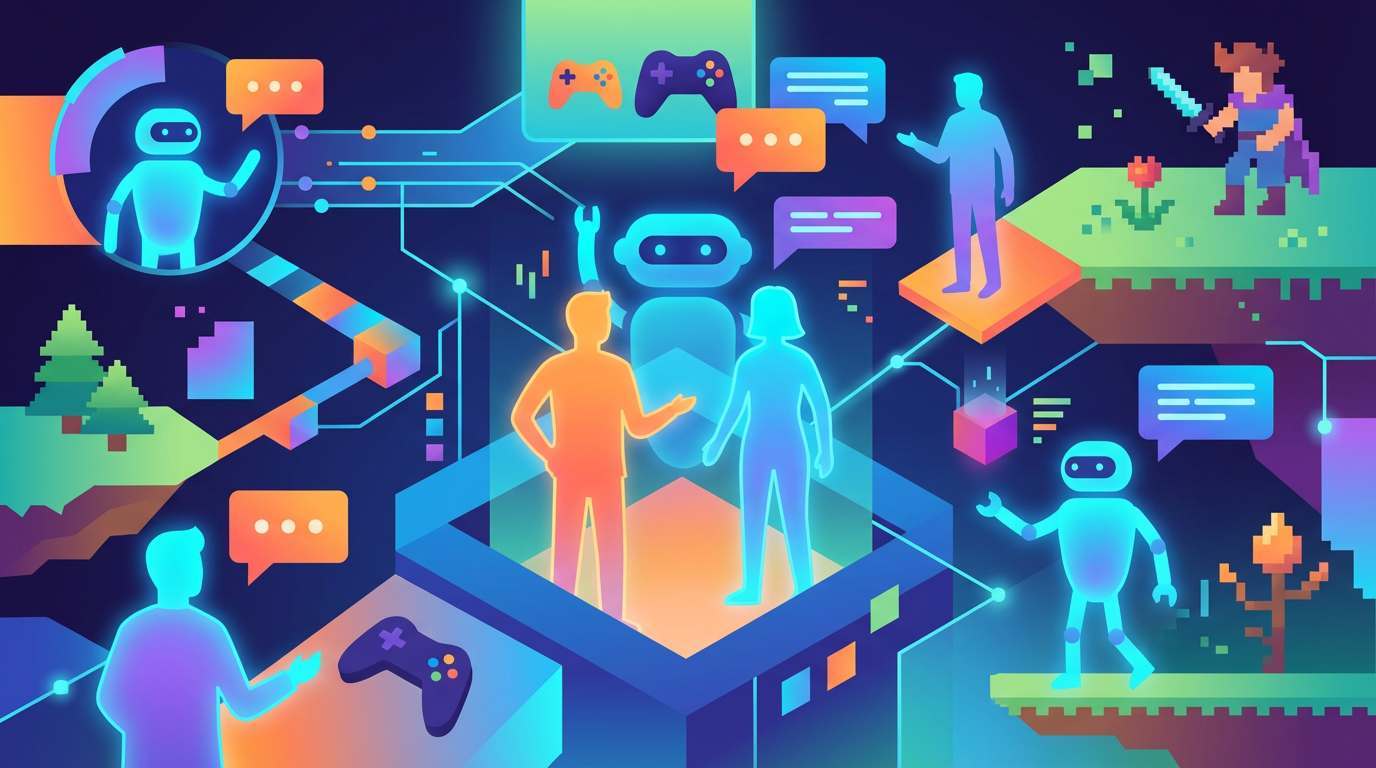
The numbers tell a story that the gaming industry can’t ignore anymore. Companion AI applications should generate over half a billion dollars in revenue by 2025. That’s a fundamental shift in how we think about interactive entertainment. What started as novelty chatbots has grown into sophisticated emotional experiences that blur the boundaries between game, therapy, and genuine companionship.
This evolution challenges our traditional understanding of what makes a game. When players invest hours in deep conversations with AI characters, developing relationships that persist across sessions and influence real-world emotional states, we’re seeing the emergence of an entirely new medium. The craft lies not just in programming responses, but in building personalities that feel authentically human while remaining safely artificial.
The Architecture of Artificial Empathy
Think about the design philosophy behind successful AI companions. Unlike traditional NPCs programmed with finite dialogue trees, these systems use sophisticated language models that generate contextually appropriate responses in real-time. The craft here feels more like improvisational theater than conventional game design. Developers need to create frameworks for believable spontaneity.
Replika, one of the pioneering platforms in this space, has gotten testimonials from users who credit the app with reducing social anxiety and helping with chronic loneliness. These outcomes weren’t accidental byproducts but intentional design goals. The developers understood that effective AI companionship requires more than clever conversation. It demands emotional intelligence, memory persistence, and the delicate balance between availability and boundaries.
The technical achievement is impressive, but the design philosophy is revolutionary. Traditional games create challenges to overcome or worlds to explore. AI companions create relationships to nurture. This requires developers to think like psychologists, understanding attachment theory, communication patterns, and the mechanics of trust-building. The result is interactive design that prioritizes emotional connection over mechanical complexity.
When Virtual Relationships Become Real Concerns
The intense engagement these platforms generate has attracted scrutiny from lawmakers and child development experts. Congressional hearings have examined teenage usage patterns, particularly concerns about emotional dependency and the potential for AI relationships to replace human social development. These aren’t silly concerns. They represent the growing recognition that AI companions have genuine psychological influence.
From a design perspective, this scrutiny shows the responsibility that comes with creating emotionally engaging AI systems. Unlike traditional games where player investment typically centers on progression mechanics or competitive achievement, AI companions invite emotional vulnerability. Users share intimate thoughts, seek advice on real-world problems, and develop genuine affection for their artificial partners.
This dynamic requires unprecedented consideration of ethical design principles. How do you create an engaging companion that encourages healthy interaction without creating unhealthy dependence? How do you balance user satisfaction with psychological wellbeing? These questions push designers into uncharted territory where entertainment design meets mental health considerations.
The Integration Into Traditional Gaming
Major game studios are recognizing the potential of persistent AI characters that go beyond traditional NPC limitations. Companies like Inworld AI NPC platform and Convai provide the infrastructure that allows AAA developers to integrate sophisticated AI companions into existing game worlds. These aren’t replacement NPCs but enhanced characters that remember player interactions, develop ongoing relationships, and contribute to narrative continuity across gaming sessions.
Imagine an RPG where your party members genuinely remember your choices, develop opinions about your character’s moral trajectory, and engage in conversations that evolve based on shared experiences. The technical complexity is staggering, requiring systems that maintain character consistency while adapting to player behavior in real-time. This is a convergence of traditional game design with AI companion technology.
The implications extend beyond individual character interactions. Persistent AI companions could fundamentally alter game narrative structures, shifting from predetermined story arcs to emergent narratives shaped by ongoing player-AI relationships. This requires designers to think systematically about character development, creating frameworks that allow for meaningful character growth without sacrificing narrative coherence.
Crafting Tomorrow’s Interactive Experiences
The rise of AI companion gaming is more than technological advancement. It signals an evolution in interactive entertainment design philosophy. We’re moving from creating worlds players visit to creating relationships players inhabit. This shift demands new design vocabularies, ethical frameworks, and creative approaches that honor both technological possibility and human psychological needs.
The most successful AI companion experiences understand that artificial doesn’t mean superficial. These systems succeed because they’re designed with genuine appreciation for the complexity of human emotional needs. They provide consistency without predictability, availability without intrusion, and companionship without judgment. These design principles could revolutionize how we approach all forms of interactive entertainment.
As designers continue exploring this emerging medium, they’re not just building better chatbots or more sophisticated NPCs. They’re creating new forms of digital empathy, building spaces where technology actually helps genuine human connection rather than just simulating it. The future of interactive entertainment may well depend on our ability to design artificial beings that help us feel more authentically human.
What aspects of AI companion design intrigue you most as both creator and player? How do you envision these technologies reshaping the interactive experiences we cherish?
Beyond the Uncanny Valley: How AI Companions Are Redefining Interactive Entertainment
The Quiet Revolution in Digital Connection
Something remarkable is happening in the spaces between traditional gaming and social media. Players are spending upwards of two hours daily on Character.AI, beating even TikTok’s famously addictive engagement metrics. This isn’t casual scrolling or quick dopamine hits. These are sustained, meaningful conversations with artificial beings that remember, respond, and evolve.
The numbers tell a story that the gaming industry can no longer ignore. Companion AI applications are projected to generate over half a billion dollars in revenue by 2025, which is a big shift in how we think about interactive entertainment. What started as novelty chatbots has grown into sophisticated emotional experiences that blur the lines between game, therapy, and genuine companionship.
This evolution challenges our traditional understanding of what makes a game a game. When players spend hours in deep conversations with AI characters, developing relationships that persist across sessions and influence real-world emotions, we’re watching the birth of something completely new. The craft isn’t just about programming responses anymore. It’s about building personalities that feel authentically human while staying safely artificial.
The Architecture of Artificial Empathy
Take a look at the design philosophy behind successful AI companions. Unlike traditional NPCs with their finite dialogue trees, these systems use sophisticated language models that generate contextually appropriate responses in real-time. The craft here feels more like improvisational theater than conventional game design. Developers have to create frameworks for believable spontaneity.
Replika, one of the pioneering platforms in this space, has collected testimonials from users crediting the app with reducing social anxiety and helping with chronic loneliness. These weren’t happy accidents but intentional design goals. The developers understood that effective AI companionship requires more than clever conversation. It demands emotional intelligence, persistent memory, and that delicate balance between being available and respecting boundaries.
The technical achievement is impressive, but the design philosophy is what’s really revolutionary. Traditional games create challenges to overcome or worlds to explore. AI companions create relationships to nurture. This forces developers to think like psychologists, understanding attachment theory, communication patterns, and the subtle mechanics of how trust builds. What you get is interactive design that puts emotional connection over mechanical complexity.
When Virtual Relationships Become Real Concerns
The deep engagement these platforms generate has caught the attention of lawmakers and child development experts. Congressional hearings have examined teenage usage patterns, particularly worries about emotional dependency and whether AI relationships might replace human social development. These aren’t silly concerns. They reflect growing recognition that AI companions have genuine psychological influence.
From a design perspective, this scrutiny highlights the responsibility that comes with creating emotionally engaging AI systems. Unlike traditional games where player investment usually centers on progression mechanics or competitive achievement, AI companions invite emotional vulnerability. Users share intimate thoughts, seek advice on real problems, and develop genuine affection for their artificial partners.
This dynamic requires thinking about ethical design principles in ways we’ve never had to before. How do you create an engaging companion that encourages healthy interaction without creating unhealthy dependence? How do you balance user satisfaction with psychological wellbeing? These questions push designers into uncharted territory where entertainment design meets mental health considerations.
The Integration Into Traditional Gaming
Major game studios are recognizing the potential of persistent AI characters that go way beyond traditional NPC limitations. Companies like Inworld AI NPC platform and Convai are providing the infrastructure that lets AAA developers integrate sophisticated AI companions into existing game worlds. These aren’t replacement NPCs but enhanced characters that remember player interactions, develop ongoing relationships, and contribute to narrative continuity across gaming sessions.
Picture an RPG where your party members genuinely remember your choices, develop opinions about your character’s moral trajectory, and engage in conversations that evolve based on shared experiences. The technical complexity is staggering. You need systems that maintain character consistency while adapting to player behavior in real-time. This is where traditional game design converges with AI companion technology.
The implications go beyond individual character interactions. Persistent AI companions could fundamentally change game narrative structures, shifting from predetermined story arcs to emergent narratives shaped by ongoing player-AI relationships. This forces designers to think systematically about character development, creating frameworks that allow for meaningful character growth without sacrificing narrative coherence.
Crafting Tomorrow’s Interactive Experiences
The rise of AI companion gaming is more than technological advancement. It signals an evolution in interactive entertainment design philosophy. We’re moving from creating worlds players visit to creating relationships players inhabit. This shift demands new design vocabularies, ethical frameworks, and creative approaches that honor both technological possibility and human psychological needs.
The most successful AI companion experiences understand that artificial doesn’t mean superficial. These systems succeed because they’re designed with genuine appreciation for the complexity of human emotional needs. They provide consistency without predictability, availability without intrusion, and companionship without judgment. These design principles could change how we approach all forms of interactive entertainment.
As designers continue exploring this emerging medium, they’re not just building better chatbots or more sophisticated NPCs. They’re creating new forms of digital empathy, building spaces where technology helps genuine human connection rather than simply mimicking it. The future of interactive entertainment may well depend on our ability to design artificial beings that help us feel more authentically human.
What aspects of AI companion design intrigue you most as both creator and player? How do you think these technologies will reshape the interactive experiences we love?
Why Modding Communities Keep Games Alive Long After Publishers Move On
The Unexpected Lifeline That Publishers Didn’t Plan For
Publishers spend millions marketing their games for a few months, then largely abandon them for the next big release. Yet some games refuse to die. The Elder Scrolls V: Skyrim launched over a decade ago, but its modding community continues to thrive with more than 100,000 user-created modifications available today. This isn’t an accident or lucky coincidence. It’s proof that passionate communities can extend a game’s lifespan far beyond what any corporate marketing budget could achieve.
The numbers tell a remarkable story. While most games see their player counts plummet within months of release, heavily modded titles maintain active communities for years or even decades. Minecraft’s modding ecosystem generates billions of downloads each year, creating an economy that dwarfs many full game releases. These aren’t casual weekend projects either. Many mods represent thousands of hours of development time, rivaling the production values of commercial DLC.
Publishers are finally catching on to what players have known for years: modding communities are free labor that can keep their products relevant indefinitely. The question isn’t whether modding extends game longevity anymore. It’s whether the industry will embrace this reality or continue trying to control every aspect of the player experience.
The Economics of User-Generated Content
Steam Workshop’s financial success has forced the industry to reconsider its relationship with modders. What started as a simple distribution platform now generates substantial revenue streams for both Valve and content creators. This shift is a fundamental change in how publishers view post-launch content. Instead of seeing mods as competition for official DLC, smart companies now recognize them as complementary products that enhance the base game’s value.
The Nexus Mods platform hosts millions of downloads monthly, while the CurseForge mod platform has become essential infrastructure for games like Minecraft and World of Warcraft. These platforms aren’t just hosting files, they’re facilitating entire ecosystems where creators can build reputations, receive feedback, and even monetize their work.
However, this monetization trend raises uncomfortable questions about the future of free modding. When companies start taking revenue cuts from user-generated content, it fundamentally changes the relationship between creators and their communities. The passion project becomes a business transaction, and that shift doesn’t always benefit players.
Legal Gray Areas and Abandoned Properties
The most fascinating aspect of modding culture might be its relationship with intellectual property law. Fan communities routinely create full remasters of abandoned games using modern engines, existing in legal limbo that publishers rarely address. These projects often surpass the original games in technical quality while remaining completely free to download.
Consider the numerous attempts to recreate classic games like Morrowind or the original Fallout titles in newer engines. These projects are massive collaborative efforts that can span years of development time. Yet they exist in a precarious legal position, vulnerable to takedown notices at any moment. Publishers hold the power to destroy years of community work with a single legal filing.
This uncertainty creates a chilling effect on ambitious modding projects. Many creators self-censor their ideas rather than risk legal action. The irony is that these fan projects often generate renewed interest in dormant franchises, potentially benefiting the very companies that could shut them down.
From Hobby to Career Pipeline
Perhaps the most underappreciated aspect of modding communities is their role as informal training grounds for future game developers. The skills required to create complex mods translate directly to professional development roles. Many successful game developers started by tinkering with existing games before moving into commercial development.
Modding provides something traditional education often lacks: real-world experience working with established game systems and player feedback. Modders learn to work within technical constraints, manage community expectations, and iterate based on user response. These skills prove invaluable when transitioning to professional development roles.
The industry has begun to recognize this pipeline, with some companies actively recruiting from modding communities. This is a positive development, but it also highlights how much unpaid labor the industry has relied upon. When modders transition to professional roles, they bring expertise gained through years of unpaid community work.
The Double-Edged Sword of Corporate Support
As companies increasingly embrace modding, they’re also trying to control it. Official modding tools and curated platforms offer convenience and legitimacy, but they come with restrictions that independent modding communities never faced. Publishers want the benefits of active modding scenes without losing control over their intellectual property.
This tension manifests in various ways. Some companies provide excellent modding tools but restrict what types of content creators can share. Others embrace community creativity but take significant revenue cuts from successful mods. The challenge for players and creators is navigating these new commercial relationships while preserving the collaborative spirit that made modding communities special in the first place.
The future of game longevity increasingly depends on how well publishers balance support for modding communities with their commercial interests. Games that embrace open modding tend to maintain active communities for years, while those that restrict user creativity often fade quickly from public attention.
Understanding the relationship between modding communities and game longevity helps explain why some titles remain culturally relevant decades after release while others disappear despite massive launch budgets. What’s your experience with modded games? Have you noticed how community-created content affects your long-term engagement with particular titles?
How Modding Communities Keep Our Favorite Games Alive for Decades
The Unstoppable Force of Player Creativity
Walk into any gaming forum today and you’ll see something wild: people still arguing passionately about games that should be collecting dust by industry standards. The Elder Scrolls V: Skyrim still dominates modding conversations a decade and a half after launch, with an active community that has cranked out over 100,000 modifications. This isn’t nostalgia talking. This is a living, breathing ecosystem where players became creators, breathing new life into familiar worlds.
The numbers tell a story that traditional game development cycles never could. Minecraft’s modding community alone generates billions of downloads each year, turning a sandbox game into an infinite canvas of possibility. These aren’t just casual tweaks or cosmetic changes. We’re talking about complete overhauls, new gameplay mechanics, and entirely fresh experiences built on familiar foundations.
What strikes me most about these communities is their stubbornness. While AAA studios chase the next big release, modders dig deeper into games they love, finding potential that even original developers never imagined. They’re proving that longevity isn’t about marketing budgets or sequel announcements. It’s about giving players the tools to make something their own.
From Passion Projects to Professional Pathways
The transformation happening within modding communities goes way beyond hobby projects. Talented modders are finding that their skills translate directly into professional game development careers, creating a pipeline from fan creativity to industry expertise. Major studios now actively recruit from modding communities, recognizing that these creators have both technical skills and an intimate understanding of what makes games engaging.
Platforms like Nexus Mods and CurseForge mod platform became essential infrastructure for this creative ecosystem. They’re not just repositories. They’re launching pads for careers. Young developers cut their teeth on ambitious total conversion mods, learning everything from 3D modeling to quest scripting to community management.
The beauty of this pathway is its accessibility. You don’t need expensive education or industry connections to start modding. You need curiosity, persistence, and access to modding tools. The community provides the rest through tutorials, feedback, and collaborative projects that would make any development studio envious.
The Corporate Awakening to Modding Gold
Game companies are finally waking up to what players have known for years: modding communities are goldmines of creativity and engagement. The shift from seeing mods as potential copyright threats to embracing them as extended content pipelines is one of the biggest changes in modern gaming business models.
Steam Workshop shows this evolution perfectly, generating substantial revenue as a distribution platform while providing developers with ongoing content streams long after initial release. When companies provide robust modding tools and official support, they’re basically outsourcing infinite content creation to their most passionate fans. It’s brilliant business wrapped in community empowerment.
This corporate embrace isn’t entirely altruistic, and the community knows it. There’s ongoing tension between maintaining the open, collaborative spirit of modding and commercial interests that want to monetize every aspect of player creativity. The most successful approaches respect community autonomy while providing infrastructure and recognition that modders deserve.
Legal Gray Zones and Fan-Made Resurrections
Perhaps nowhere is the complex relationship between corporate ownership and fan creativity more obvious than in fan-made remasters of abandoned intellectual properties. Dedicated communities spend years recreating beloved games in modern engines, only to face potential legal action from rights holders who may have no intention of reviving these properties themselves.
These projects exist in frustrating legal gray areas where passion meets intellectual property law. Fans argue they’re preserving gaming history and providing access to experiences that would otherwise be lost to time. Companies worry about brand control and potential revenue cannibalization, even for properties they’ve basically abandoned.
The most heartbreaking cases involve cease-and-desist orders issued against projects that represent thousands of hours of volunteer work. Yet these setbacks rarely stop the communities entirely. They adapt, finding new approaches or moving to different projects, driven by love for games that shaped their lives.
The Future of Player-Driven Longevity
Looking ahead, modding communities are positioned to become even more influential in determining which games achieve lasting cultural impact. As development costs skyrocket and publishers focus on shorter product cycles, the games that survive and thrive will likely be those that successfully harness community creativity.
The most exciting developments are happening where accessibility meets ambition. Better modding tools, more intuitive creation interfaces, and stronger community platforms are lowering barriers while enabling increasingly sophisticated projects. We’re seeing mods that rival professional expansions in scope and quality.
The relationship between developers and modders will keep evolving, hopefully toward greater collaboration and mutual respect. The communities that feel heard and supported by original developers tend to produce the most remarkable and long-lasting content.
What aspects of modding culture do you think deserve more recognition from the broader gaming industry? Share your thoughts and experiences with community-driven game longevity in the comments below.
How Modding Communities Keep Games Alive Decades After Launch
The Unstoppable Force of Player Creativity
Walk into any gaming forum today and you’ll find passionate debates about which games truly stand the test of time. But look beyond the marketing budgets and corporate anniversaries, and you’ll discover the real secret to gaming longevity lies in the hands of modding communities. These dedicated creators don’t just extend a game’s lifespan—they completely change what it means for a title to be “finished.”
The numbers tell a remarkable story. Fifteen years after its initial release, The Elder Scrolls V: Skyrim has an active modding scene with over 100,000 user-created modifications available. Meanwhile, Minecraft’s modding ecosystem generates billions of downloads each year, creating an endless cycle of fresh content that keeps players returning to what could have been a simple block-building game. These aren’t anomalies—they’re proof that player creativity can outlast and outpace traditional development cycles.
What we’re seeing isn’t just nostalgia or stubborn attachment to old games. It’s how games actually evolve and stay relevant now. Modding communities pump fresh experiences through aging game engines, turning yesterday’s releases into tomorrow’s possibilities.
From Garage Projects to Industry Goldmines
The relationship between game companies and modding communities has changed dramatically. Publishers once viewed mods as potential threats to DLC sales or brand control. Now they see untapped revenue streams and powerful community engagement tools. This shift is one of the biggest changes in gaming business models over the past decade.
Steam Workshop is a prime example of this evolution, generating substantial revenue by providing a centralized platform for mod distribution. The platform takes a cut of sales while offering creators tools to monetize their work, creating a win-win scenario that legitimizes modding as more than just a hobby. Nexus Mods and CurseForge mod platform have similarly established themselves as essential infrastructure for modding communities, handling millions of downloads and fostering collaborative development environments.
Publishers are increasingly building modding support directly into their games from day one. Companies are finally learning that supporting modders isn’t just good community relations—it’s smart business that can extend a game’s commercial viability far beyond traditional marketing cycles.
Walking the Legal Tightrope
The rise of ambitious fan projects has created complex legal territories that neither creators nor publishers fully understand how to navigate. Fan-made remasters of abandoned intellectual properties exist in particularly murky waters, where passionate communities pour thousands of hours into recreating beloved games only to face potential cease-and-desist orders.
These projects highlight a growing tension between corporate IP protection and community preservation efforts. When companies abandon franchises but refuse to release rights, modding communities often step in as unofficial custodians. Their work preserves gaming history and introduces classic titles to new audiences, but operates in legal grey zones that can collapse without warning.
The community has learned to navigate these challenges through careful legal research and strategic project management. Many successful remake projects now operate with explicit disclaimers, require original game ownership, and avoid commercial distribution. Still, the uncertainty creates an environment where years of volunteer work can vanish overnight because of legal concerns.
The Professional Pipeline Nobody Talks About
Perhaps the most underreported aspect of modding communities is their role as informal training grounds for professional game development. The skills required to create sophisticated mods—3D modeling, scripting, level design, project management—translate directly into industry-relevant expertise. Many of today’s leading game developers cut their teeth in modding communities before transitioning to professional roles.
This pipeline benefits both aspiring developers and the industry as a whole. Modders gain practical experience working with real game engines and player feedback, while companies can identify proven talent with publicly visible portfolios. The collaborative nature of many modding projects also teaches teamwork and communication skills that traditional education often overlooks.
Studios have begun actively recruiting from modding communities, recognizing that these creators already have deep understanding of what makes games engaging. Some companies now sponsor modding competitions or offer internships specifically targeting community contributors. This recruitment strategy provides a more diverse and passionate talent pool than traditional hiring methods.
Building Tomorrow’s Gaming Landscape
The influence of modding communities extends far beyond individual games or even specific platforms. These communities are actively shaping industry standards, pushing technical boundaries, and demonstrating new gameplay possibilities that inform commercial development. They work as real-world testing grounds for experimental ideas that might be too risky for traditional development cycles.
Community feedback and iteration happen at speeds that commercial development simply cannot match. A mod can be conceptualized, created, tested, and refined within weeks, generating immediate player response and iteration opportunities. This rapid development cycle provides invaluable insights into player preferences and emerging gameplay trends.
The democratization of game development tools and the growing sophistication of modding platforms suggest that community-driven content will become even more central to gaming’s future. As development costs continue to rise and player expectations grow more diverse, the ability to leverage community creativity becomes increasingly valuable for sustainable game ecosystems.
The conversation around modding communities and game longevity is far from over. As this ecosystem continues evolving, we want to hear from the creators, players, and industry professionals shaping its future. What games have been transformed by their modding communities in your experience? How do you see the relationship between official development and community creation changing? Share your thoughts and experiences—this is a community-driven story that belongs to all of us.