Stop Getting Tilted by Tier Lists: Your Guide to Actually Using Character Rankings
Why That S-Tier Pick Just Cost You Your Ranked Match
Picture this: you just watched your favorite pro player demolish everyone with Kazuya in Tekken 8, so you hop into ranked ready to climb. Three matches later, you’re staring at a loss streak wondering why this “broken” character feels like you’re piloting a shopping cart with square wheels. Sound familiar? You just fell into the tier list trap that catches about 90% of fighting game players at some point.
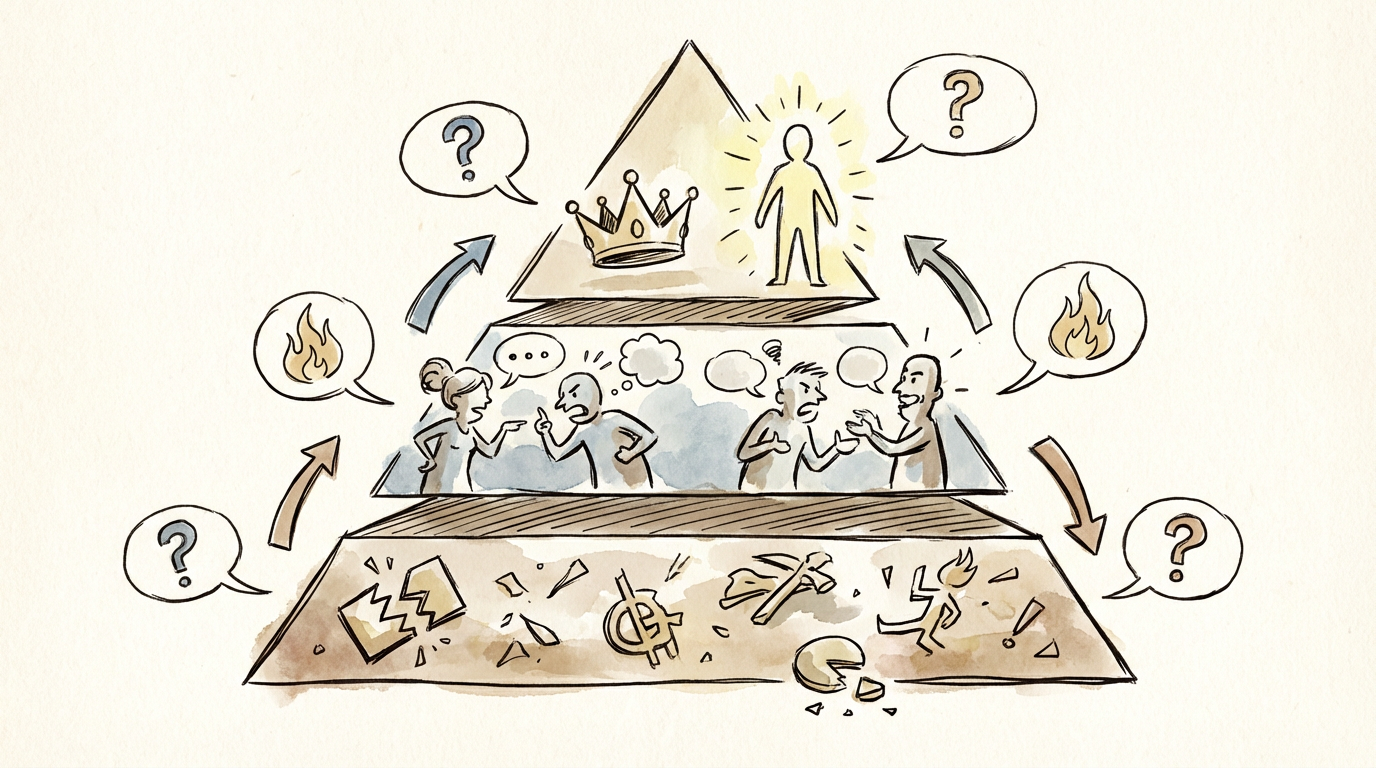
Here’s what nobody mentions in those heated Twitter debates about tier lists. They’re snapshots of perfect play under perfect conditions, usually reflecting high-level tournament results where players have invested thousands of hours into specific matchups. When Knee wins EVO with a character, that doesn’t automatically make them your ticket to Fujin rank. The gap between theoretical strength and what actually happens in your matches is massive, especially when you factor in your current skill level and what feels natural to you.
I’ve watched players struggle for months with top-tier characters that fight against their natural tendencies. Meanwhile, their friends climb steadily with supposedly “mid-tier” picks. The secret? They chose characters that amplified their existing strengths rather than chasing the latest tier list rankings. Your main should feel like an extension of your own decision-making, not a constant uphill battle against your instincts.
Reading Between the Lines: What Tier Lists Actually Tell You
Professional tier lists aren’t fortune cookies predicting your next promotion. They’re data sets reflecting matchup spreads, combo damage potential, defensive options, and neutral game tools at the absolute highest level of play. When top players rank a character highly, they’re considering factors like frame data optimization, option coverage, and adaptability across multiple matchups that might not even apply to your rank bracket.
Take Street Fighter 6’s Luke, consistently placed in S-tier across most professional rankings. His placement reflects incredible versatility, strong neutral tools, and explosive damage potential. But here’s what the tier list doesn’t show you: Luke requires precise spacing, consistent anti-air timing, and smart meter management to reach that theoretical power level. Miss those fundamentals, and you’re just throwing out random flashfire rushes hoping something connects.
The real value in tier lists comes from understanding the reasoning behind placements. Instead of asking “who should I play,” start asking “what tools make this character strong” and “how do these tools translate to my current gameplay level.” A character’s tier placement should inform your expectations and learning priorities, not dictate your character selection.
Smart players use tier lists as reference guides for understanding game mechanics and matchup dynamics. They look at why Chun-Li gets ranked highly and recognize the importance of strong buttons and mobility options. Then they figure out how well they can currently use those tools, or whether another character might better suit their developing skillset.
The Matchup Reality Check: Why Context Beats Rankings
Every tier list assumes perfect knowledge and execution, but your actual matches happen in the messy reality of incomplete information and human error. That “low-tier” character might have specific tools that completely shut down strategies common in your rank range. For you, they’re effectively higher tier.
Consider Tekken 8’s Azucena, often placed in mid-tier on professional lists. Her rankings reflect certain limitations in high-level play where opponents can consistently punish her more linear approaches. But in intermediate ranks where players struggle with movement and punishment timing, her aggressive rushdown style and relatively simple gameplan can feel overwhelming. Opponents who haven’t developed the specific defensive skills to counter her effectively will get steamrolled.
This is where understanding your local meta matters more than any pro tier list. Pay attention to what characters and strategies you encounter most frequently in your matches. If everyone in your rank is playing aggressive rushdown styles, a character with strong defensive options might outperform their tier ranking in your specific environment. Your “tier list” should reflect the reality of what you’re actually facing, not what happens in tournament grand finals.
Start tracking your own matchup data over 20-30 games. Note which character types give you trouble and which ones you consistently beat. This personal data often reveals gaps in your gameplay that character switching won’t solve, and strengths you didn’t realize you had with your current main.
Building Your Personal Power Rankings
Creating your own tier list based on your actual performance and preferences gives you actionable insight that generic rankings can’t provide. Track your win rates against different character archetypes. Note which of your main’s tools you actually use effectively. Identify which matchups feel unwinnable versus challenging but manageable.
Start with honest self-assessment. Rate your execution consistency, your adaptation speed, and your mental state under pressure. A character that requires perfect backdash cancels might be S-tier in tournament play but C-tier for your current execution level. There’s no shame in acknowledging these gaps. Recognizing them helps you make strategic character and training decisions that actually accelerate your improvement.
Document specific scenarios where your character choice impacted match outcomes. Did you lose because your character lacks tools for a particular situation, or because you haven’t learned to use the tools they have? This distinction matters. The first suggests a character limitation worth considering in your personal rankings. The second points to training opportunities that will improve your results regardless of tier placement.
Your personal tier list should evolve with your skill development. Characters that felt impossible at one rank might become manageable as your fundamentals improve. Conversely, strategies that carried you through lower ranks might become less effective as opponents develop stronger defensive skills. Regular reassessment keeps your character choice aligned with your current capabilities and goals.
Turning Tier List Knowledge Into Training Plans
The most productive approach treats tier lists as learning roadmaps rather than character selection guides. Study what makes highly-ranked characters effective, then identify which of those principles you can incorporate into your gameplay regardless of your main choice. Strong neutral game, consistent anti-airs, and smart meter usage work across character boundaries.
Use tier list discussions to identify knowledge gaps in your gameplay. If you can’t explain why a character gets ranked highly or lowly, you probably don’t understand important game mechanics or strategic concepts. Research those gaps. Understanding why Dhalsim struggles in certain matchups teaches you about spacing and pressure, knowledge that improves your play with any character.
Set specific training goals based on tier list insights. If top-tier characters share certain defensive options, prioritize learning to challenge those options with your main. If you’re getting bodied by a highly-ranked character, lab specific situations rather than complaining about balance. Most “broken” strategies have counterplay once you understand what’s actually happening.
What’s your experience with tier list discussions in your main game? Have you found success sticking with lower-ranked characters, or did switching to a top tier finally unlock your next rank? Drop your thoughts and let’s figure out what tier lists actually mean for your specific climb.


Remember When We Thought Akali Was Broken? A Love Letter to League’s Most Dramatic Meta Shifts
The Great Akali Panic of 2018: When Everyone Lost Their Minds
OH MY GOD, do you remember the absolute chaos when Akali got her rework? I’m talking about August 2018, when Riot completely reimagined our favorite ninja assassin and suddenly every single person on Reddit was CONVINCED the game was doomed forever. The shroud that blocked tower vision! The passive that gave her a million dashes! The healing! THE HEALING!
Looking back at those patch notes now feels like reading ancient prophecies that never came true. Everyone was screaming about how she’d dominate every lane forever, how assassins would rule the meta until the end of time, how Riot had broken their own game. But here’s what we all forgot in our panic: meta shifts aren’t just about raw numbers. They’re about adaptation, learning, and yes, sometimes admitting we were wrong about what makes something truly overpowered.
The reality? Akali’s win rate actually stayed pretty reasonable even during her most controversial periods. Sure, she felt oppressive when you didn’t know how to play against her, but that’s true for literally every champion when they’re new or reworked. We just got caught up in the spectacle of watching her dance around tower shots and forgot that counterplay was still very much possible.
The Real Villain Was Our Refusal to Learn
Fast forward to today and I’m watching old clips of “OP AKALI PENTAKILL RIOT PLS NERF” and honestly? Most of those plays were just good Akali players fighting people who had no idea what her kit even did. The shroud that everyone said was impossible to deal with? Pink wards, AOE abilities, and basic positioning made it way less scary than we thought. That crazy mobility everyone complained about? It was actually pretty predictable once you understood her passive timing.
The truth is, we were all so busy being angry about her kit that we forgot to actually learn how to play against it. I spent MONTHS banning Akali in ranked instead of just taking five minutes to understand her energy costs and cooldowns. When I finally faced her in a custom game with friends, the mystique evaporated instantly. She wasn’t this unstoppable force of nature we’d built up in our heads.
This wasn’t unique to Akali either. Remember release Yasuo? Azir during his god-tier professional play era? Even more recently, the Yuumi panic when she first came out? We have this pattern of immediately catastrophizing every major change instead of giving ourselves time to adapt. It’s like we expect to understand new champions without putting in any effort to learn their weaknesses.
Why Professional Play Ruined Our Perspective
Here’s where things get really interesting: a huge part of the Akali hysteria came from watching professional players absolutely demolish teams with her during Worlds 2018. Suddenly everyone was trying to replicate these insane plays in solo queue, convinced that what worked for Caps and Rookie would obviously work for them too. Spoiler alert: it didn’t!
Professional League and ranked solo queue might as well be completely different games. When you see a coordinated team enable their mid laner’s Akali with perfect vision control and team fighting, it looks absolutely broken. When you try to do the same thing in your Gold ranked game while your support is wandering the jungle looking for scuttle crab, the results are slightly different. The champion wasn’t the problem. The context was everything.
Looking back at the patch history, Riot actually did a pretty good job of surgical nerfs that targeted her professional dominance without completely gutting her for regular players. The tower aggro changes, the energy cost adjustments, the slight damage reductions. These weren’t massive overhauls but careful tweaks that preserved her identity while making her less oppressive in coordinated play. We just couldn’t see it at the time because we were too busy being mad.
The Meta That Never Actually Happened
The funniest part about revisiting this whole era? The assassin meta we were all terrified of never actually materialized. Even at Akali’s peak power level, control mages like Orianna and Syndra maintained solid presence in both solo queue and professional play. Tanks didn’t disappear from top lane. ADCs didn’t become completely irrelevant. The game’s balance remained pretty much intact.
What actually happened was way more nuanced and interesting. Teams learned to draft around Akali’s strengths and weaknesses. Players developed better positioning and game sense specifically to deal with her threat patterns. The meta evolved naturally, the way it always does, through thousands of games and gradual adaptation rather than through some dramatic upheaval that broke everything forever.
Even now, after all her subsequent nerfs and mini-reworks, Akali sits at a perfectly reasonable power level. She’s still recognizable as the champion that caused all that controversy, but she’s been integrated into the game’s ecosystem in a way that feels balanced and fair. The doomsday scenarios never came to pass because League’s balance is more resilient than we give it credit for.
What This Teaches Us About Every Future “Crisis”
Every time Riot releases a major update or rework now, I think about the Akali panic and try to take a step back. Yes, Briar’s sustain looked crazy on PBE. Yes, Hwei’s kit seemed impossibly overloaded. Yes, whatever champion they’re working on next will probably make us all lose our minds for a few weeks. But history keeps teaching us the same lesson: adaptation trumps panic every single time.
The meta is always shifting, always evolving, always surprising us. That’s not a bug in the system, it’s the entire point. The game would be incredibly boring if every champion release or major balance change was perfectly predictable and immediately understood. The chaos is part of the fun, even when it doesn’t feel fun in the moment.
So the next time everyone’s freaking out about the latest patch notes, remember Akali. Remember how convinced we were that she’d ruin everything forever, and remember how wrong we were. Take some time to actually play against the new stuff before deciding it’s broken. Learn the counterplay instead of just banning it away. And maybe, just maybe, try to enjoy the process of figuring out how the game has changed instead of immediately declaring it ruined.
What’s your favorite example of the community completely overreacting to patch changes? Drop your stories in the comments, I’m always down to reminisce about our collective ability to turn molehills into mountains when it comes to balance updates!
Your First Sub-20 Is Closer Than You Think: Speedrun Strats That Actually Work for Normal Humans
Stop Watching and Start Running: The Community That Changed Everything
Listen, I get it. You’ve watched that one streamer casually demolish your favorite game in under fifteen minutes while eating cereal, and you think speedrunning is some mystical art reserved for people with superhuman reflexes and encyclopedic game knowledge. WRONG. The speedrunning community has changed massively in the past few years, and honestly? It’s become one of the most welcoming spaces in gaming for players who just want to get better at games they love.
The dirty little secret about speedrunning is that most world-class runners started exactly where you are right now. They weren’t gaming prodigies who emerged from the womb clutching a controller. They were regular players who got curious about optimization and found a community that celebrates personal improvement over pure competition. Sure, the top-level stuff looks impossible, but that’s not where you start.
What’s really changed the game is how accessible speedrun education has become. Communities like Speedrun.com don’t just host leaderboards anymore. They host entire ecosystems of guides, video tutorials, and mentorship programs designed specifically for newcomers. The barrier to entry has never been lower, and the community support has never been stronger.
Pick Your Poison: Game Selection That Sets You Up for Success
Here’s where most people mess up their speedrun journey before it even starts. They pick their favorite 80-hour RPG or some brutally difficult precision platformer because “that’s what looks cool.” Listen to me very carefully: YOUR FIRST SPEEDGAME SHOULD BE SOMETHING YOU CAN FINISH IN UNDER TWO HOURS AT NORMAL PACE. This isn’t about settling for less exciting games. This is about setting yourself up for actual success instead of burnout.
Look for games with active beginner categories and solid tutorial content. Super Metroid, A Link to the Past, and Super Mario World have thriving communities with incredible resources for new runners. These games have been optimized for decades, which means the community has figured out gentle learning curves that progress from “barely faster than casual play” to “holy crap I just saved thirty seconds with one trick.”
The magic number you’re looking for is what runners call “low execution barrier, high optimization ceiling.” Games where basic strategies are easy to learn but mastery takes forever. Avoid games where fundamental movement requires frame-perfect inputs or where a single mistake costs you ten minutes of progress. Save those for when you’ve got some runs under your belt and understand your own frustration tolerance.
The Real Beginner Route: Forget Everything You Think You Know
Every speedrun community has what they call the “beginner route,” but here’s what they don’t always tell you upfront: even beginner routes assume you’re comfortable with basic movement tech and have internalized the game’s mechanics. For actual beginners, you need to create your own pre-beginner route, and that’s completely fine.
Start by playing through the game normally but with a timer running. Don’t attempt any tricks. Don’t skip any intended content. Just play efficiently and learn to maintain focus for the entire run duration. This baseline run teaches you something important that no tutorial video can: where YOU personally lose time because of execution errors, hesitation, or unfamiliarity with game systems.
Once you’ve got a few clean completion times, start incorporating the easiest time saves one at a time. Maybe that’s taking a slightly more direct route through a level, or learning which enemies you can safely ignore. The goal isn’t to transform into a speedrun wizard overnight. The goal is building consistency and game sense that makes harder optimizations feel natural when you’re ready for them.
Track everything. Seriously. Note where you die, where you get lost, where you pause to remember what comes next. These notes become your personal improvement roadmap, and they’re often more valuable than generic community guides because they address YOUR specific weaknesses rather than theoretical optimization.
Community Integration: How to Learn Without Getting Overwhelmed
The speedrun community can feel intimidating when you’re starting out, especially when discussion focuses on frame data and advanced strategies that might as well be written in ancient Greek. But here’s the thing: most communities have dedicated spaces specifically for learners, and finding these spaces is important for long-term success.
Discord servers for individual games usually have dedicated channels for questions, beginner tips, and route discussion. Don’t lurk forever waiting to feel “qualified” to participate. Ask questions about basic stuff. Share your progress videos, even if they’re messy. The community wants you to succeed, and experienced runners genuinely enjoy helping newcomers because it keeps their scenes alive and growing.
Race events are where the magic really happens for casual speedrunners. Weekly races give you motivation to actually complete runs instead of resetting every time something goes wrong. Racing against other humans, even when you’re clearly the slowest person in the lobby, teaches you important skills about maintaining composure under pressure and playing through mistakes instead of giving up.
Follow a few runners who focus on education rather than pure performance. These content creators understand that entertainment value comes from the learning process, not just from watching someone execute perfect strategies. They’ll break down their decision-making, explain backup strategies when things go wrong, and generally make the whole process feel achievable rather than mystical.
Setting Goals That Actually Motivate Instead of Crushing Your Soul
Forget about leaderboard placement for your first few months. Seriously. Chasing ranks when you’re still learning basic consistency is a recipe for frustration and burnout. Instead, focus on process goals that build competence and confidence at the same time.
Set completion rate targets before time targets. Aim to finish eight out of ten attempts before worrying about whether those completions are fast. Learn to value runs where you execute your planned route cleanly, even if individual segments weren’t optimal. Consistency beats optimization every single time when you’re developing fundamental skills.
Personal best improvements become genuinely exciting when you understand where they come from. That thirty-second improvement hits different when you know it came from finally nailing a movement sequence you’ve been practicing, rather than just randomly having a good run. Document your improvements so you can see progression over weeks and months, not just individual sessions.
The speedrun community thrives because it celebrates improvement at every level. Your journey from completely new runner to someone who can execute basic strategies consistently is genuinely impressive, regardless of where that lands you on any leaderboard. The community gets this, even when individual runners sometimes forget it. Your bronze-to-silver equivalent moment in speedrunning is when you hit your first major time barrier and then break through it with dedicated practice. THAT MOMENT IS INCREDIBLE, and everyone who’s been running for a while remembers exactly how it felt when it happened to them.


How to Navigate Gaming Community Drama Without Losing Your Mind (Or Your Rank)
Understanding the Drama Ecosystem Before You Jump In
Look, we’ve all been there. You’re having a blast climbing ranked, maybe you just hit that sweet promotion game, and then BAM – suddenly half your Discord is on fire because someone said something about balance patches or streamer drama. Gaming community drama feels overwhelming because it spreads faster than a perfectly timed ultimate combo, but here’s the thing: most of it follows predictable patterns once you know what to look for.
The drama usually breaks down into three categories I call the Holy Trinity of Gaming Chaos. First, you’ve got Balance Wars, where players argue about character nerfs, weapon adjustments, or meta shifts. These pop up every single patch and honestly, they’re the most predictable. Then there’s Creator Conflict, which includes streamer beef, content creator callouts, and influencer drama that somehow always involves Twitter screenshots. Finally, there’s Community Policy Drama. Tournament rule changes, platform decisions, or developer communication fails that get everyone fired up.
Here’s what I’ve noticed: each type of drama has different stakes and different resolution timelines. Balance drama usually resolves itself within a few weeks once the meta stabilizes. Creator drama can drag on for months but rarely affects your actual gameplay experience. Policy drama hits different because it can actually change how you play the game long-term. Knowing which category you’re dealing with helps you decide how much mental energy to invest.

The Real Impact on Your Gaming Experience
Here’s what nobody talks about: community drama doesn’t just live in forums and social media. It bleeds into your actual games in ways that can tank your performance if you’re not careful. I’ve watched friends go from grinding consistently to tilting in ranked because they’re too busy arguing about patch notes in team chat instead of focusing on the round in front of them.
The psychological impact is real and measurable. When you’re emotionally invested in drama, your decision-making gets cloudy. You start making riskier plays, your reaction times slow down, and you’re more likely to tilt when things go wrong. I’ve tracked this in my own gameplay. During big community controversies, my win rate drops by about 15% because I’m not mentally present in matches.
But here’s the flip side that gets me genuinely excited: understanding drama patterns actually makes you a better player and community member. When you can spot manufactured outrage or identify when someone’s just venting frustration, you develop better emotional intelligence. This translates directly to better team communication, more effective conflict resolution during matches, and stronger leadership skills in competitive settings.
Your Practical Drama Navigation Toolkit
Alright, let’s get tactical. First tool in your kit is the 24-Hour Rule. When drama explodes, resist the urge to immediately take sides or share your hot takes. Give it a full day to see how the situation develops. Most drama either resolves itself or reveals more context that completely changes the narrative. I’ve saved myself from so many embarrassing takes by just waiting to see the full picture.
Next up is Source Verification, and this one’s crucial. Always check primary sources before reacting to screenshots, clips, or summaries. That “shocking” developer quote might be missing context, or that “game-breaking bug” might already have a hotfix in testing. Spend two minutes fact-checking before you spend twenty minutes being outraged about something that isn’t even accurate.
Your third tool is Strategic Disengagement, which sounds fancy but basically means knowing when to mute, block, or step away. If someone’s arguing in bad faith or just trying to bait reactions, don’t take the bait. Your mental energy is better spent on improving your gameplay or supporting positive community members. I keep a simple rule: three toxic interactions with someone means they get muted. No exceptions.
Finally, master the art of Constructive Contribution. When you do engage with drama, focus on solutions rather than just adding to the pile-on. Ask clarifying questions, suggest practical next steps, or help connect people who might actually be able to resolve the issue. This approach builds your reputation as someone worth listening to and often leads to more productive discussions.
Building Drama Immunity Through Community Investment
The best defense against community drama is having a solid foundation of positive relationships and reliable information sources. Start by identifying content creators and community members who consistently provide thoughtful analysis rather than knee-jerk reactions. These people become your drama reality check. When they’re concerned about something, it’s worth paying attention. When they’re staying calm, you probably can too.
Invest time in smaller, focused communities within the larger gaming ecosystem. Find Discord servers, subreddits, or friend groups that share your specific interests and maintain higher standards for discussion. These spaces become your home base during drama storms, places where you can get genuine perspectives without the noise and toxicity of broader community spaces.
Create your own content or contributions, even if it’s just helpful comments or guides. When you’re actively building something positive in the community, you become less susceptible to drama because you have skin in the game beyond just being a consumer. Plus, other constructive community members will recognize and support your efforts, giving you a network of people who share your values.
Turning Drama into Growth Opportunities
Here’s where it gets really interesting: community drama can actually accelerate your growth as both a player and a leader if you approach it strategically. Use controversy as a lens to understand game design principles, community psychology, and effective communication. When players complain about a character being “broken,” dig deeper to understand the underlying mechanics and counterplay options. You’ll often discover tech that improves your own gameplay.
Drama also reveals leadership opportunities. When your friend group or team is getting pulled into toxic discussions, be the person who redirects energy toward productive activities. Organize practice sessions, theory-craft new strategies, or plan community events. People remember who helped them focus on improvement during chaotic times, and these relationships often lead to better teammates and lasting friendships.
Most importantly, develop your ability to separate signal from noise. Real issues that deserve community attention have specific characteristics: they affect actual gameplay, have verifiable evidence, and can be addressed through concrete actions. Everything else is usually just noise that will fade away on its own.
What drama situations have you navigated recently? I’m always curious about how different communities handle conflict and what strategies work best in specific game environments. Drop your experiences in the comments. Let’s build a playbook together for keeping our mental game strong while staying connected to the communities we love.
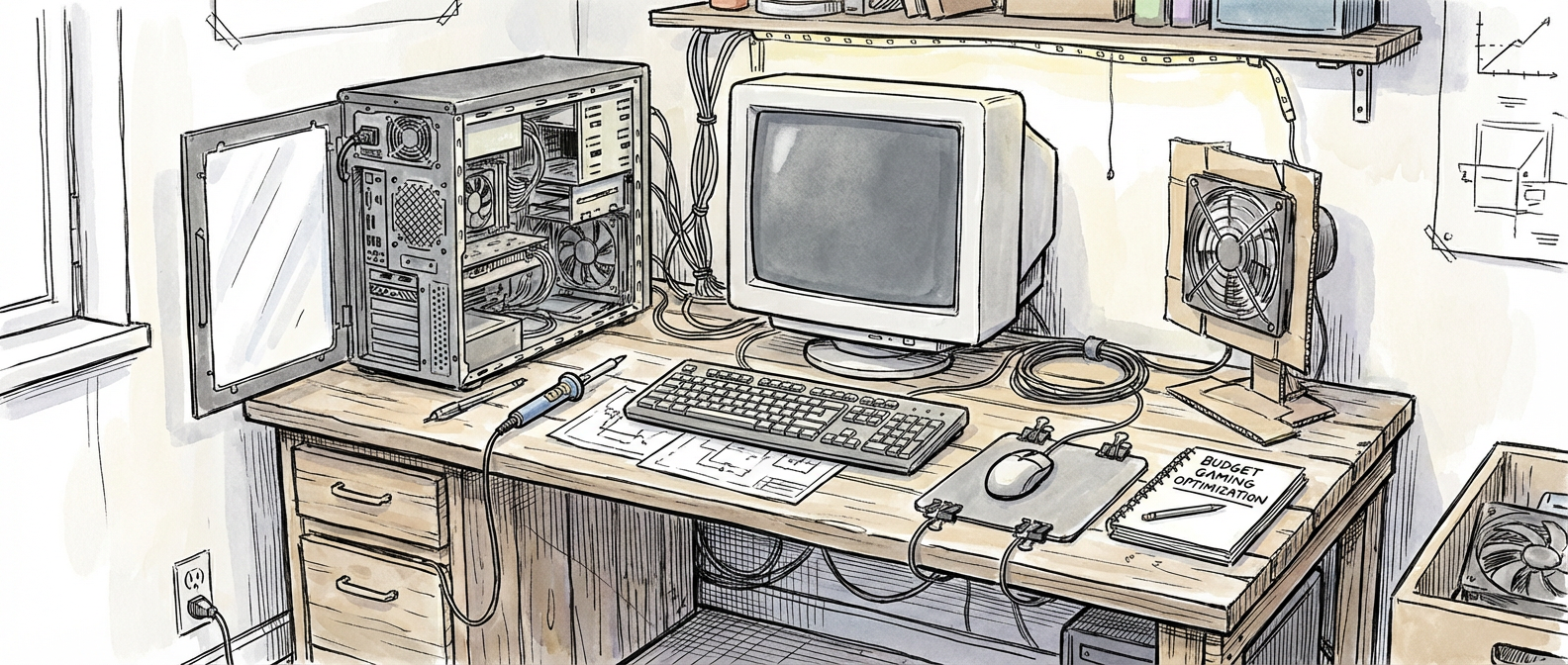
The DEFINITIVE Budget Gaming Setup Tier List: Every Dollar Ranked From God-Tier to Wallet Destroyer
S-Tier: The Absolute Chad Choices That Make You Question Why Anyone Spends More
Listen up because I’m about to blow your mind with some ABSOLUTE BANGERS that punch so far above their weight class it’s basically cheating. The AMD Ryzen 5 5600 sits at the absolute peak of S-tier and I will literally fight anyone who disagrees. This CPU is pulling 144fps in competitive titles while your friend with the $400 Intel chip is getting the same performance and crying into their RGB keyboard. The 5600 delivers 95% of the gaming performance of chips costing twice as much, and that extra 5% you’re missing? You literally cannot see it unless you’re counting frames with a magnifying glass.
Right next to it in god-tier territory is the RTX 4060, and before you start typing angry comments about VRAM, hear me out. Yes, 8GB isn’t future-proof for 4K gaming, but we’re talking BUDGET setups here. This card is absolutely crushing 1080p gaming at high settings and handling 1440p like a champ in most titles. The performance per dollar is absolutely insane, especially when you factor in DLSS 3 Frame Generation. Your budget build is getting AI-powered performance boosts that make $800 cards from three years ago look like expensive paperweights.
The B450 motherboard chipset rounds out S-tier because these boards are the definition of “just works perfectly forever.” You get full compatibility with Ryzen 5000 series after a BIOS update, solid overclocking support, and enough connectivity for any reasonable build. I’ve seen people stress about X570 boards when their B450 setup is already running circles around more expensive configurations. Stop overthinking and just pick a decent B450 board from MSI or ASRock.

A-Tier: Solid Choices That Won’t Let You Down But Maybe Aren’t Quite Perfect
The Intel i5-12400F lands squarely in A-tier and honestly, it’s fighting for S-tier daily. This chip trades blows with the 5600 in gaming performance and sometimes even wins, but the platform costs push it down slightly. You’re looking at more expensive motherboards and DDR4 vs DDR5 decision paralysis that can drive your budget sideways fast. Still an absolutely fantastic choice that’ll handle anything you throw at it, just with a bit more complexity in the buying decision.
DDR4-3200 memory deserves A-tier recognition because it’s the sweet spot where price meets performance and stops asking questions. Yes, DDR4-3600 exists and performs slightly better with Ryzen builds, but the price jump rarely justifies the 2-3% performance gain. 16GB of quality DDR4-3200 from Crucial or G.Skill will handle every game released and probably every game that’ll be released for the next three years. Anyone telling you to spend more on RAM for a budget gaming build is trying to sell you something.
The RTX 4060 Ti 16GB version sits here too, and this placement might be controversial but stick with me. The extra VRAM makes this card genuinely future-resistant for 1440p gaming, but the price premium over the standard 4060 starts pushing budget boundaries. It’s an excellent card that’ll age better than almost anything else in its class, but you’re paying today for performance you might not need for another year or two.
B-Tier: Good Options With Notable Compromise Trade-offs
The AMD Ryzen 5 5500 is the classic B-tier dilemma where you’re getting real value but making meaningful sacrifices. This CPU will absolutely handle modern gaming without breaking a sweat, but you’re losing PCIe 4.0 support and some cache compared to the 5600. For pure budget builds where every dollar matters, it makes sense. For everyone else, the extra $30 for the 5600 is worth it every single time, but I won’t judge you for going 5500 if the budget is genuinely tight.
Budget B450 and A320 motherboards live in B-tier because they’ll get the job done but with some frustrating limitations. You’re probably dealing with only two RAM slots, limited expansion options, and sometimes questionable VRM cooling that’ll make you nervous during summer gaming sessions. These boards work fine for basic builds, but you’ll feel the limitations eventually when you want to upgrade or expand your setup.
The GTX 1660 Super earns B-tier placement as the “still surprisingly viable” option that refuses to die. This card handles 1080p gaming admirably and costs significantly less than current-gen options, but you’re missing out on modern features like DLSS, ray tracing, and efficient encoding for streaming. It’s a solid choice for pure budget builds focused on competitive gaming where you’re turning settings down anyway, but it feels dated compared to what else you can get.
C-Tier: The “It’ll Work But You’ll Probably Regret It” Category
Intel’s older 10th and 11th gen processors fall into C-tier because while they still game perfectly fine, the platform limitations and power consumption make them questionable choices for new builds. The i5-10400F can still push frames effectively, but you’re buying into a platform with no upgrade path and higher electricity bills. Unless you’re finding these chips at dramatic discounts, the modern alternatives offer better long-term value even at slightly higher initial cost.
Single-channel RAM setups deserve the C-tier shame because the performance loss is genuinely noticeable in modern games. Yes, you can save money buying one 16GB stick instead of a 2x8GB kit, but you’re leaving 10-15% performance on the table in memory-sensitive games. The money saved rarely justifies the performance lost, and you’ll end up buying another stick later anyway when you realize how much performance you’re missing.
Older GPU options like the RTX 3050 and RX 6500 XT land in C-tier because they are the unfortunate reality of “new but not good enough.” These cards work for 1080p gaming but with compromises that feel unnecessary when slightly better options exist for not much more money. The 3050’s limited VRAM and the 6500 XT’s PCIe lane limitations create bottlenecks that’ll frustrate you in specific scenarios.
D-Tier: The Money Traps and Obvious Mistakes
Pre-built gaming PCs from major retailers consistently earn D-tier placement because the component selection makes experienced builders weep. You’ll get a decent CPU paired with a terrible GPU, fast RAM with a slow SSD, or a good graphics card bottlenecked by an ancient processor. The markup on these systems is painful, but worse is the unbalanced component selection that leaves performance on the table. Building your own system with the same budget almost always delivers significantly better gaming performance.
Overspending on aesthetics in budget builds is the classic D-tier mistake that I see constantly. RGB RAM that costs 50% more than equivalent non-RGB modules, expensive case fans when the included ones work fine, or premium cables when the standard ones are hidden anyway. These choices look cool but rob your build of actual performance improvements that would make a real difference in your gaming experience.
There’s obviously more nuance to every component choice, and specific sales or regional pricing can shift these rankings dramatically. What matters most is understanding why each tier exists and making informed decisions based on your actual gaming needs and budget constraints. Drop your current build specs in the comments and let’s figure out where you landed on this tier list.