The Vanishing Act: Why Gaming’s Greatest Works Are Disappearing Into Digital Oblivion
The Great Digital Disappearing Act
Imagine walking into a library where nearly nine out of ten books have vanished from the shelves, their stories lost to time and corporate indifference. This isn’t some dystopian fiction—it’s what’s happening to video games right now. The Video Game History Foundation dropped a bombshell recently: 87 percent of classic games released before 2010 are completely inaccessible through legal means. We’re not talking about obscure shovelware here. These are the games that defined entire genres, introduced mechanics we still use today, and created the foundation for everything we play now.
This goes way deeper than nostalgia. Video games combine visual art, music, storytelling, and technology in ways that were impossible before the medium existed. When we lose access to the original versions of iconic franchises or weird experimental indies that broke all the rules, we’re losing actual art. The kind that influenced generations of creators and pushed technical boundaries that seemed impossible at the time.
Here’s the thing: games are stuck to their hardware in ways movies and books aren’t. When Sony stops making PS2s and doesn’t bother with backwards compatibility, thousands of games just… disappear. All those hand-crafted sprite animations and revolutionary sound techniques become as unreachable as a painting locked in someone’s private vault. The technical wizardry developers pulled off with limited RAM and processing power? Gone. The creative solutions they found for hardware limitations? Lost.

The ROM Preservation Paradox
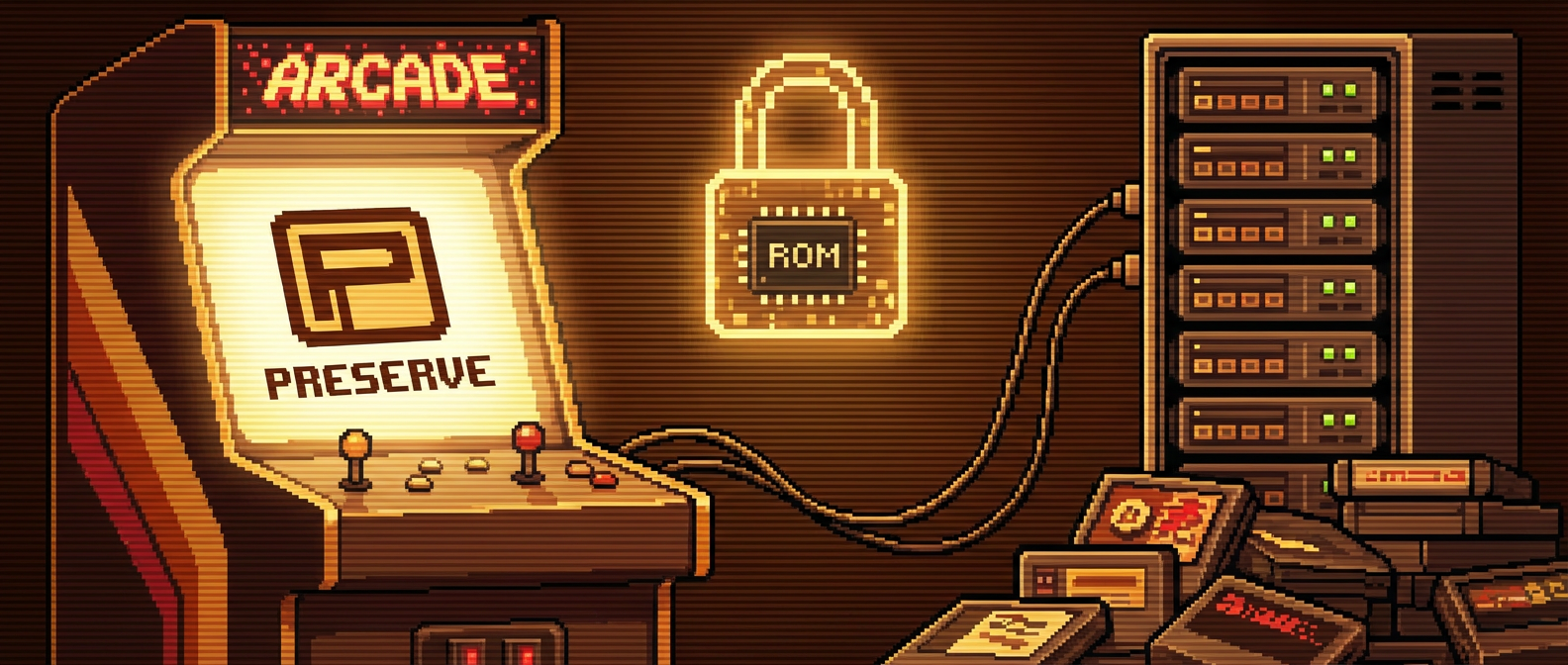
This is where ROM preservation comes in, and honestly, it’s both inspiring and frustrating. Dedicated archivists and retro gaming fans have basically become the Library of Alexandria for video games. ROM files (digital copies of cartridges and discs) are often the only reason classic games still exist in playable form. The Internet Archive games collection is doing incredible work here, hosting thousands of vintage titles under DMCA exemptions that recognize their cultural value.
But here’s where it gets complicated. This preservation work exists in legal quicksand. Copyright law treats a groundbreaking 1985 platformer the same as a blockbuster released last week, even when that old game influenced thirty years of subsequent design. The careful level construction, the innovative mechanics, the technical solutions that seemed impossible at the time—all of it is locked behind laws designed for completely different types of media.
The ROM community takes this work seriously, though. We’re talking museum-level documentation standards. They’re not just copying files—they’re capturing the specific glitches, timing quirks, and hardware behaviors that made these games unique. It’s preservation work that rivals what you’d see for priceless historical artifacts, because that’s essentially what these are.
Corporate Enforcement Versus Cultural Heritage
Nintendo is probably the most aggressive about shutting down ROM sites, and I get why that frustrates people. They’ve issued thousands of takedown notices for games that are decades old, including fan translations and mods that are often the only way to experience certain titles. Yes, they have the legal right to protect their IP. But the cultural cost is huge when you’re removing access to games that demonstrate the evolution of design philosophy and technical innovation.
What really gets me is that this enforcement often targets transformative work too. Fan translations that make Japan-only games accessible? Gone. ROM hacks that show creative reinterpretations of classic mechanics? Removed. Preservation projects that keep games playable on modern systems? Shut down. It all gets lumped together with straight piracy, which creates this chilling effect on legitimate preservation efforts.
The irony is thick here. Many of these targeted games represent Nintendo’s greatest artistic achievements. Super Metroid’s atmosphere and level design. The tight platforming in Super Mario World. The storytelling innovations in Chrono Trigger. By aggressively protecting these without offering legal alternatives, companies are accidentally undermining appreciation for their own creative legacy.
Hardware Solutions and Digital Archaeology
FPGA-based hardware like Analogue’s consoles and the MiSTer project offer a more sophisticated approach. Instead of software emulation, these devices recreate the actual electronic behavior of original hardware. Every timing quirk, every audio characteristic, every visual glitch that defined the original experience gets preserved.
This matters more than you might think. The way graphics render, how sound processes, how controllers respond—these subtle differences can completely change how a game feels. Software emulation often smooths out the rough edges that were actually part of the artistic intent. FPGA recreation keeps those nuances intact, ensuring future players experience these games as their creators meant them to be played.
The fact that people will drop $500+ on these specialized devices shows there’s real demand for authentic experiences. This isn’t just nostalgia—players recognize the artistic and design value in classic games and want to experience them properly. That suggests a broader cultural appreciation for video game craftsmanship that goes beyond casual entertainment.
Legal Evolution and Future Preservation
There’s some hope on the legal front. The Library of Congress expanded DMCA exemptions in 2024 to better protect institutional preservation work. They’re finally acknowledging that video games deserve the same archival consideration as other art forms. These frameworks start to distinguish between preservation for cultural purposes and straight-up commercial piracy.
But most major publishers still won’t touch this issue. They’ll aggressively protect their IP while staying completely silent on preservation concerns. This leaves independent archivists and institutions to navigate complex legal terrain alone, trying to save works that represent decades of creative and technical innovation. The survival of culturally important games depends more on volunteer dedication than systematic institutional support.
We need to start treating video games as cultural artifacts instead of just commercial products. The creativity, innovation, and artistic achievement in these works deserves institutional support and legal protection. As gaming continues to mature as an art form, preserving its heritage becomes more urgent every year.
What parts of game preservation worry you most? The intersection of technology, law, and cultural responsibility in gaming creates challenges that affect everyone who cares about this medium. We need creative solutions and ongoing discussion from players, developers, and policymakers who understand what’s at stake here.
Comments are Disabled