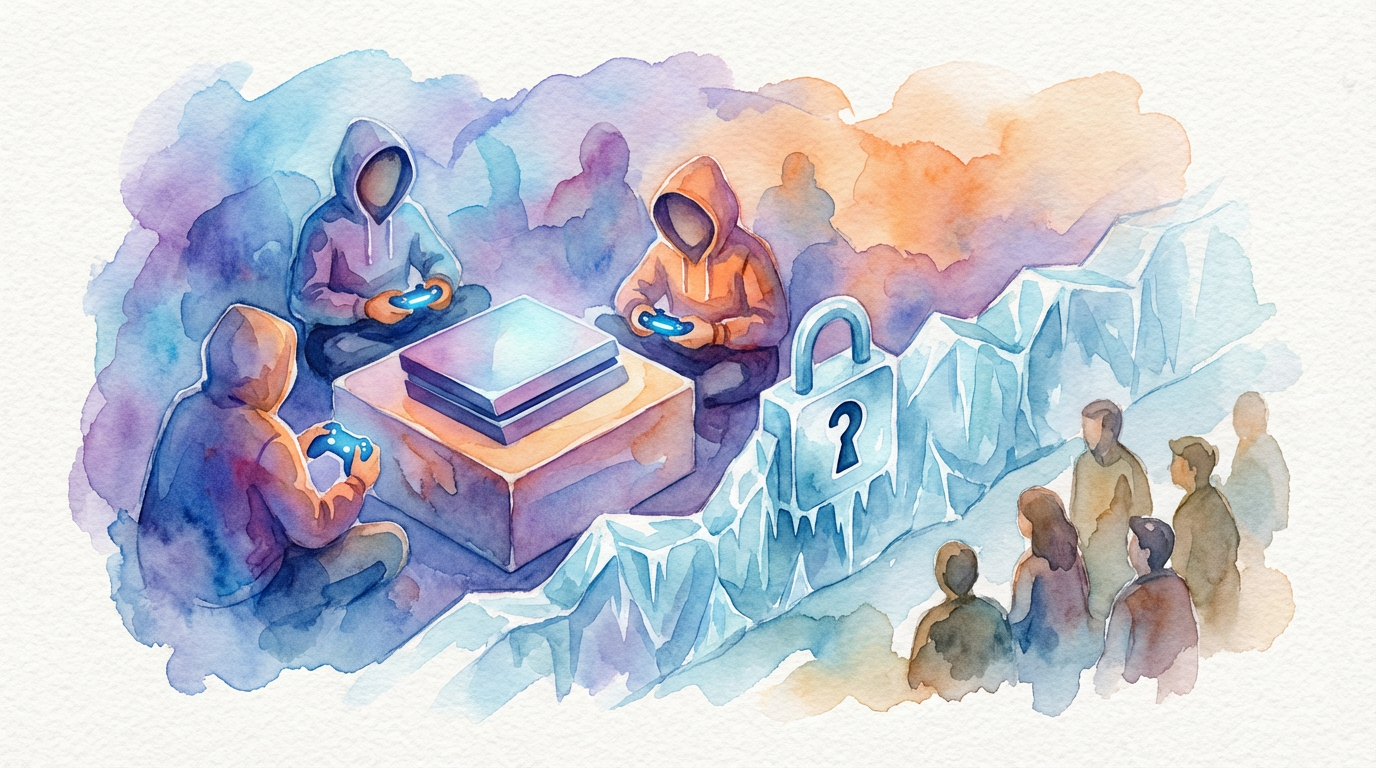
The “Skill Issue” Problem: When Gatekeeping Hides Behind Meritocracy in Gaming Communities
The Term That’s Everywhere Now (And What It Really Means)
You’ve definitely seen it. Someone gets destroyed in ranked, posts a clip asking for help, and the replies come flooding in: “skill issue,” “git gud,” “just learn the matchup.” The phrase has become so ubiquitous that it’s hard to remember it wasn’t always part of gaming vocabulary. Between 2022 and 2024, usage of the term “skill issue” exploded across Reddit gaming communities, showing up 340% more frequently than it did just two years prior. That’s not just a meme going mainstream. That’s a linguistic shift that says something about how we’re talking to each other in online games right now.
On the surface, “skill issue” seems like harmless shorthand. It’s dismissive, sure, but it also contains a kernel of truth that appeals to competitive gamers. If you’re losing, then technically, you do have a skill gap to close. The problem is that this phrase has become the default response to absolutely everything. Someone struggling with a champion? Skill issue. New player overwhelmed by complexity? Skill issue. Getting matched against a smurf account? You already know what they’re going to say.
But here’s where things get complicated. When a term starts appearing this frequently across communities, it stops being just vernacular. It becomes cultural scaffolding. And lately, that scaffolding seems designed to separate who belongs in a space and who doesn’t.
The Harassment Numbers We Can’t Ignore
The data paints a harsh picture of what’s happening in multiplayer gaming right now. The ADL Free To Play 2024 gaming harassment report found that roughly two-thirds of multiplayer gamers in the US have experienced some form of harassment while playing online. That’s not surprising by itself. What matters more is the second finding: newcomers and casual players are being targeted at significantly higher rates than they were in previous years. This isn’t random toxicity. This is directed toward the people trying to break into communities.
Think about your own experience. When you were learning your main character, how many times did someone tell you that you were playing them “wrong”? How many times did someone say you shouldn’t be playing ranked until you had 200 more hours logged? These interactions stick with people. A lot of them stick hard enough to make players quit entirely.
The correlation is clear enough that major studios have noticed. Riot Games specifically added new report categories to League of Legends’ in-game system in 2024, focusing on dismissive and exclusionary communication after surveying over 10,000 players about what was making the community feel worse. They didn’t do that because everything was fine. They did it because enough people were reporting that being told they had a “skill issue” was making them feel like they weren’t welcome.
When “Meritocracy” Becomes an Excuse for Exclusion
Here’s something that might sting a little, depending on your community. A recent study published in Computers in Human Behavior found that gaming communities with the strongest “meritocratic” identity (the ones that loudly proclaim that only skill matters) actually showed significantly higher rates of exclusionary behavior toward women and LGBTQ+ players. Not lower. Higher. The communities that talk the most about pure skill-based hierarchy are the ones doing the most active gatekeeping.
What does this look like in practice? It means a woman asking for advice on positioning gets told to “stop whining and learn the game.” It means a trans player getting their rank questioned in ways that straight players don’t experience. It means that when someone doesn’t fit the profile of who “should” be playing at that level, the meritocratic arguments suddenly come out extra strong. “This isn’t for casual players” becomes code for “this isn’t for people like you.”
The skill-issue framing is perfect for this because it’s deniable. You’re not saying someone doesn’t belong because of who they are. You’re just saying they don’t have enough skill. Perfectly logical. Perfectly reasonable. And perfectly useful as a weapon against anyone who threatens the community’s composition.
What Happened When One Community Tried to Fix It
Helldivers 2 attempted something genuinely experimental in 2024. The team set up a community council that gave players direct voting power on game balance decisions. It should have been a win for community engagement. Instead, the whole structure collapsed under the weight of internal toxicity. Players who considered themselves “skilled” aggressively gatekept discussions around balance changes, using dismissive language to override concerns from casual and newer players. Arrowhead’s developers eventually documented the failure in a Arrowhead Game Studios developer blog post-mortem that was remarkably honest about the gatekeeping they observed.
The lesson here matters. When you give a community direct power without addressing the underlying culture, the people with the most time to spend (and the least patience for newcomers) usually win. The people telling others they have a “skill issue” don’t go anywhere. They just get louder because they now have institutional backing.
So What Do We Do About This?
The first thing is recognizing the difference between constructive criticism and gatekeeping disguised as criticism. If someone asks for help and gets told “skill issue,” that’s gatekeeping. If someone asks for help and gets told “here’s what I struggled with in that matchup and how I worked through it,” that’s community. One shuts doors. One opens them.
The second thing is understanding that skill development and belonging are not mutually exclusive. You can simultaneously tell someone that they need to improve AND make them feel welcome while they’re doing it. “You’re not there yet, but here’s how to get there” is radically different from “this isn’t for you.” The first one builds communities. The second one just gatekeeps.
If you’re someone who dominates your rank and you’re tempted to drop “skill issue” on someone’s question, stop and think about what you’re actually doing. You’re choosing between two responses. One takes thirty seconds and makes someone feel worse. The other takes a minute and genuinely helps. The communities that are actually thriving right now are the ones where the experienced players choose that second option consistently.
What’s your experience been? Have you noticed this shift in your main communities? Have you seen spaces that actually handle new player onboarding well, or do most of them seem to lead with gatekeeping? Drop your thoughts on where you’re seeing either the toxicity or the genuine mentorship happening. The gaming spaces we build together are the ones that get to stick around.
The Definitive Tier List of Gaming’s Most Rewarding Hidden Details
S-Tier: The Ones That Rewrote Gaming History
Picture this: you’re casually exploring Hyrule in A Link to the Past when you bomb a random wall and discover an entire secret cave system. That moment? THAT’S what S-tier easter eggs are made of. These aren’t just cute references tucked away for giggles. These are game-changing discoveries that fundamentally alter how players approach exploration forever.
The Konami Code sits at the absolute pinnacle of this tier. Thirty lives in Contra wasn’t just a cheat code, it was gaming’s first viral secret that spread through playgrounds like wildfire. But here’s what puts it in S-tier: developers started hiding this sequence in games across multiple companies and decades. You’ll find it in Dead by Daylight, Fortnite, and even Google search results. When an easter egg escapes its original game to become part of gaming DNA itself, that’s S-tier impact.
The cake being a lie in Portal deserves its spot here too. Sure, everyone knows this reference now, but remember: this wasn’t just a throwaway joke. The graffiti messages were breadcrumbs leading to one of gaming’s most satisfying narrative reveals. It trained an entire generation of players to question everything developers tell them. Now THAT’S how you change gaming culture forever.
A-Tier: The Technical Marvels That Still Blow Minds
A-tier secrets are the ones that make you screenshot immediately and spam your friends with “DID YOU KNOW” messages. These discoveries show off ridiculous technical prowess or developer dedication that borders on obsession. They’re not quite history-defining, but they’re absolutely worth hunting down.
Hideo Kojima’s P.T. radio broadcast takes this tier’s crown. Hidden in the code was a Swedish radio segment that only played under hyper-specific conditions involving your PlayStation’s internal clock, controller inputs, and pure luck. Players spent MONTHS decoding this thing. The fact that it referenced Silent Hills content that never got made? Chef’s kiss level of meta-gaming that only Kojima could pull off.
Doom’s level geometry recreating the developer offices lands here too. John Romero didn’t just design levels, he built American McGee’s actual workspace into Episode 2. Walking through those halls meant literally exploring id Software’s office space. It’s the kind of personal touch that modern AAA development rarely achieves, making it feel impossibly intimate for a game about demon-slaying.
B-Tier: The Crowd-Pleasers That Never Get Old
B-tier easter eggs are your reliable friends. They show up consistently across franchises, always deliver that satisfying “aha!” moment, and prove developers actually play other games. These aren’t revolutionary, but they’re executed with enough style to keep discovery feeling fresh.
Final Fantasy’s recurring Cid character perfectly captures this tier. Every mainline game has some version of this airship-loving engineer, but each iteration feels distinct enough to stay interesting. FF7’s chain-smoking pilot, FF9’s treasure-hunting regent, FF14’s insufferably brilliant inventor. It’s comfort food for longtime fans while giving newcomers something to research and appreciate.
Grand Theft Auto’s movie poster parodies earn their B-tier status through sheer volume and creativity. Rockstar doesn’t just reference films, they create entire fake movie industries within their worlds. “The Wizard of Ass” and “Exploder: Evacuator Part II” aren’t just juvenile humor. They’re world-building tools that make Los Santos and Liberty City feel like living, breathing places with their own entertainment cultures.
C-Tier: The Safe Plays That Still Deliver Smiles
C-tier secrets are the equivalent of getting a solid B+ on an assignment. They’re competently executed, occasionally clever, but rarely surprising. Most developer self-references and industry in-jokes live here. They work, but they’re playing it safe rather than pushing boundaries.
Minecraft’s “Notch” splash screen text variations represent this tier perfectly. Finding “Made by Notch!” or “The Work of Notch!” on your title screen was charming back in 2011. It humanized the game’s mysterious creator and made the indie development feel personal. But as Minecraft exploded into a billion-dollar franchise, these references started feeling more like corporate nostalgia than genuine easter eggs.
Most Assassin’s Creed modern-day references fall into C-tier territory. Finding Abstergo Industries mentioned in Watch Dogs or seeing Ubisoft offices recreated in their own games feels obligatory rather than exciting. They’re competent cross-promotional tools, but they lack the surprise factor that makes discovery truly rewarding.
D-Tier: The Ones That Probably Should Have Stayed Hidden
D-tier easter eggs are the gaming equivalent of dad jokes. Someone thought they were being clever, but the execution falls flat or feels forced. These often break immersion rather than enhance it, making you groan instead of grin.
The “Arrow to the Knee” guards in Skyrim exemplify D-tier territory. Yes, we get it Bethesda, you’re aware of your own meme. But having every guard repeat this line ad nauseam transforms a community joke into an immersion-breaking reminder that you’re playing a video game. It’s the difference between winking at your audience and aggressively elbowing them in the ribs.
Most modern battle royale “default dance” emotes live here too. Epic Games created something genuinely viral with Fortnite’s dance moves, but watching other developers clumsily shoehorn these references into their games feels desperate rather than celebratory. When your easter egg screams “fellow kids” energy, it’s probably D-tier material.
Here’s the thing about ranking these hidden gems: the best ones don’t just reward discovery, they enhance everything around them. S-tier secrets become part of gaming vocabulary. A-tier discoveries show off the medium’s unique possibilities. B and C-tier references build community and show developer personality. Even D-tier attempts prove that someone cared enough to hide something special, even if the execution missed the mark. What’s your most memorable gaming discovery?
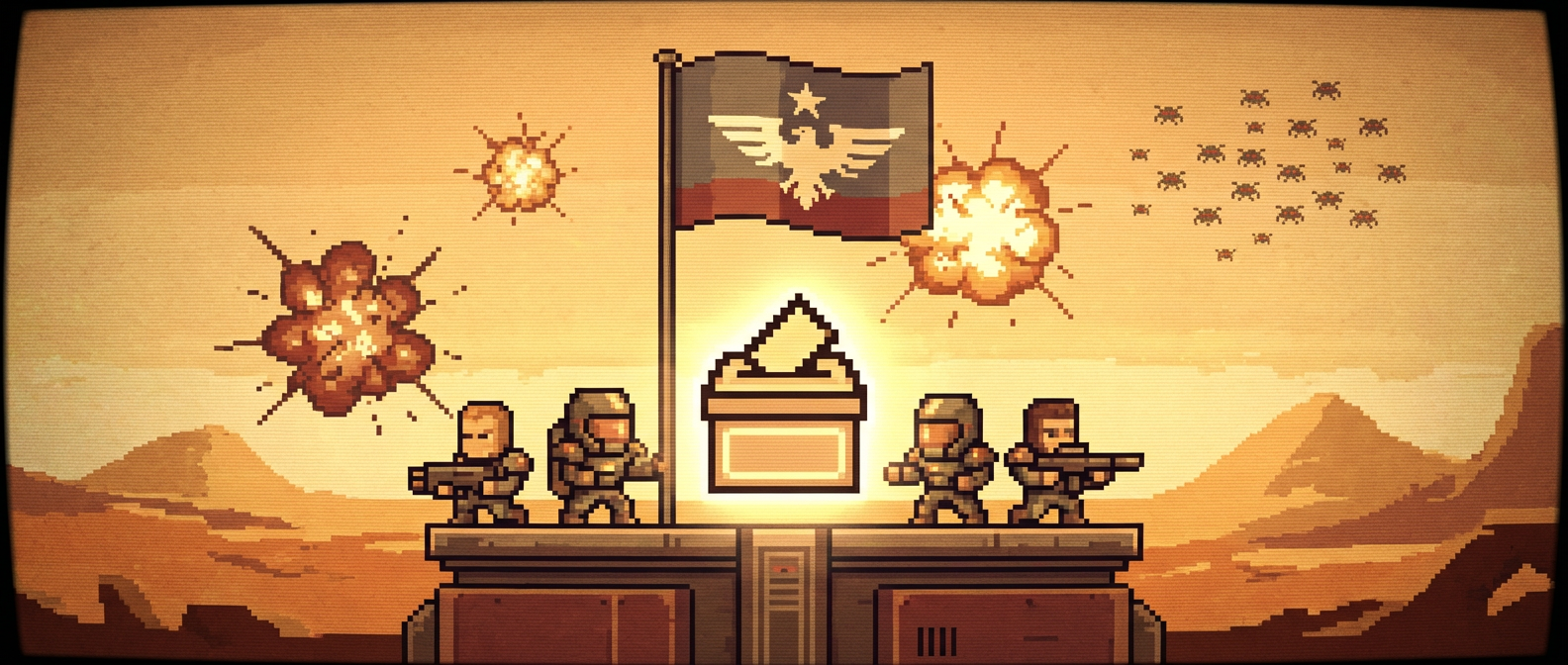
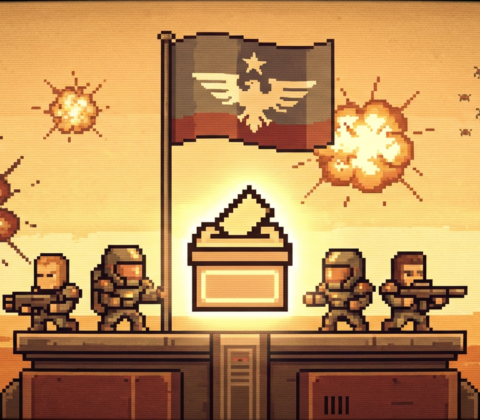
Helldivers 2 Turned 8 Million Gamers Into Democracy Nerds (And It Actually Worked)
When Shooting Bugs Becomes Civic Duty
Look, I’ve seen a lot of community-driven games crash and burn when they try to give players meaningful choices. Usually it’s some half-baked voting system that gets ignored or gamed into oblivion. But Helldivers 2? This game accidentally stumbled into creating the most functional democracy experiment in gaming history, and honestly, it’s kind of beautiful.
Over 8.2 million players participated in democratic planet liberation votes throughout 2025. That’s not just clicking a button and forgetting about it. These decisions directly shaped what content players experienced, which planets got priority for liberation missions, and how the overarching narrative unfolded. When was the last time you saw that many people actively engaged in any democratic process, let alone one involving cartoon space fascism and alien bugs?
The system works because Arrowhead Game Studios did something revolutionary: they made voting feel like it actually mattered. Every Major Order isn’t just flavor text. It’s a binding commitment that changes the game world in real, observable ways. Players aren’t just along for the ride anymore.
The Malevelon Creek Controversy That Broke the Internet
Nothing proved the system’s legitimacy quite like the great Malevelon Creek debate of 2025. Sony’s community-driven narrative system had influenced 23 major story beats throughout the year, but this one hit different. The vote to abandon the planet split the playerbase almost perfectly down the middle: 52% for abandonment, 48% against.
I’ve never seen a gaming community tear itself apart over strategic military decisions quite like this. Discord servers became war zones. Reddit threads turned into dissertations on resource allocation theory. People were writing actual manifestos about why leaving Creek was either brilliant tactical thinking or cowardly abandonment of duty.
The beautiful part? The controversy made players more invested, not less. When your vote actually determines whether entire planets get wiped off the galactic map, suddenly every decision feels weighty. It’s not just background lore anymore. It’s your responsibility as a citizen of Super Earth.
Even researchers at academic institutions took notice. Political science teams at Stanford University found Helldivers 2’s democratic systems compelling enough to warrant serious study, publishing research in early 2026 that analyzed the game’s voting patterns as a potential model for digital democracy. When academics start treating your bug-shooting game as a case study in civic engagement, you know something special is happening.
89% Participation Rates Put Real Elections to Shame
Here’s the stat that should make every political scientist weep: Helldivers 2’s Major Order system achieved 89% player participation rates. For context, that’s higher than voter turnout in most democratic elections worldwide. The Arrowhead Game Studios Community Metrics Dashboard tracks these numbers in real time, and they’re consistently mind-blowing.
Why does it work? Because the consequences are immediate and visible. Vote to prioritize the bug front over the automatons? You’ll see those resources shift within hours. Choose to focus on defensive operations instead of expansion? The galactic map reflects that strategy immediately. There’s no waiting four years to see if your choice mattered.
The game also makes participation feel natural rather than forced. Major Orders blend with normal gameplay loops without disrupting the flow. You’re not stopping your fun to vote on boring policy minutiae. You’re collectively deciding where the next epic battle happens, which enemy faction gets priority attention, and how the war effort evolves.
When Democracy Gets 465,000 People Online Simultaneously
The ultimate test of this democratic experiment came during the Battle for Super Earth’s Capital community event in March 2026. Concurrent player counts peaked at 465,000 people all fighting for the same democratic cause simultaneously. That’s not just impressive from a technical standpoint. It shows how invested players become when they have genuine agency over their shared experience.
What made this event special wasn’t just the numbers. It was watching a community that had spent months learning how to disagree constructively suddenly unite around a common threat. All the Creek controversy, all the faction debates, all the strategic arguments melted away when Super Earth itself was on the line. Democracy had taught them how to argue, but it also taught them when to stop arguing and start fighting together.
The Stanford Digital Democracy Study: Gaming as Democratic Practice specifically highlighted this event as evidence that digital communities can develop sophisticated collective decision-making capabilities when given proper frameworks and meaningful stakes.
Why This Matters Beyond Gaming
Helldivers 2’s democracy experiment succeeds because it solves fundamental problems that plague both gaming communities and real-world democratic institutions. It makes participation rewarding rather than burdensome. It provides immediate feedback on collective decisions. It creates shared investment in outcomes while maintaining individual agency.
Most importantly, it proves that people will engage deeply with democratic processes when those processes have real consequences they can see and experience. The game doesn’t just ask players to vote and hope for the best. It shows them exactly how their collective choices reshape their shared world.
This isn’t just clever game design. It’s a functioning model for digital civic engagement that accidentally emerged from a cooperative shooter about space marines fighting giant bugs. Sometimes the most important innovations come from the most unexpected places.
Have you participated in Helldivers 2’s galactic democracy? What do you think makes their community voting system work when so many others fail? Drop your thoughts in the comments, because honestly, this feels like just the beginning of something much bigger than gaming.
How Helldivers 2 Accidentally Built the Most Functional Democracy in Gaming History
The Accidental Political Science Experiment That Nobody Saw Coming
When Arrowhead Game Studios launched Helldivers 2’s “Galactic War” system, they thought they were just creating a clever way to make players feel invested in a shared narrative. What they actually built was the most successful large-scale digital democracy experiment in gaming history, and honestly, it puts most real-world democratic participation to shame. Over 8.2 million players cast votes on planetary liberation decisions throughout 2025, directly shaping not just the story but the actual gameplay content they’d experience next.
This isn’t some throwaway feature tucked into a menu somewhere. Every vote matters. Every decision creates real consequences. The playerbase has responded with participation rates that would make political scientists weep with joy. We’re talking about 89% player participation during Major Order events. For context, that’s higher than voter turnout in most democratic elections worldwide. When your bug-stomping simulator beats actual democracies in civic engagement, you know something special is happening.
The Stanford University researchers who published their Stanford Digital Democracy Study: Gaming as Democratic Practice in January 2026 weren’t studying this as a curiosity. They recognized that Helldivers 2 had accidentally solved several fundamental problems that plague traditional democratic systems: voter apathy, information asymmetry, and the disconnect between individual actions and collective outcomes.
Why This Democracy Actually Works When Others Don’t
The secret sauce isn’t just that voting affects the game. It’s how Sony’s community-driven narrative system transforms abstract political choices into immediate, visceral consequences. When the community voted to abandon Malevelon Creek in that infamous 52-48% split decision, players didn’t just read about it in patch notes. They lived through the emotional weight of that choice as Creek veterans watched their hard-fought gains slip away while newcomers celebrated moving resources to winnable fronts.
Traditional democratic systems struggle with what political scientists call the “rational ignorance” problem. Why spend time researching candidates or issues when your individual vote statistically doesn’t matter? Helldivers 2 flips this completely. Every vote directly impacts your next gaming session. Vote to prioritize the bug front, and you’re fighting Terminids next week. Choose the bot campaign, and you’re dodging Devastator rockets instead.
The 23 major story beats that community decisions influenced throughout 2025 weren’t just cosmetic changes. These were fundamental shifts in available missions, enemy types, weapon unlocks, and even map availability. The community didn’t just vote on flavor text. They voted on their own gameplay experience, creating a feedback loop where democratic participation directly enhanced personal enjoyment.
The Malevelon Creek Controversy: Democracy’s Finest Hour
Let’s talk about that Creek decision because it perfectly shows why this system works so brilliantly. The 52-48% vote to abandon Malevelon Creek wasn’t just controversial. It was genuinely heartbreaking for players who’d spent weeks fighting for every meter of that jungle hellscape. Creek veterans organized protests, created tribute videos, and some even rage-quit the game entirely.
But here’s the beautiful part: the system held. Despite the emotional outcry, despite forum wars and Reddit meltdowns, the democratic decision stood. Arrowhead didn’t cave to the loudest voices or try to find some middle-ground compromise that would satisfy nobody. They trusted their democratic framework, and the community ultimately respected the outcome even when they hated it.
This controversy also revealed something fascinating about digital democracy. The losing side didn’t just accept defeat and move on. They organized for future votes, built coalitions, and developed more sophisticated campaign strategies. Players started creating detailed tactical analyses of proposed operations, weighing resource allocation against strategic value. The Arrowhead Game Studios Community Metrics Dashboard shows that post-Creek voter engagement actually increased, not decreased.
Peak Democracy: The Battle for Super Earth’s Capital
The March 2026 “Battle for Super Earth’s Capital” event represents the absolute peak of what this democratic system can achieve. When concurrent player count hit 465,000 during this community-driven crisis, we witnessed something unprecedented in gaming: a massive, coordinated democratic response to an existential threat that players themselves had voted to face.
The lead-up to this event showed how mature Helldivers 2’s democratic process had become. Players didn’t just vote based on gut feelings or factional loyalty. Community leaders emerged who specialized in strategic analysis. Data-driven voting guides appeared on forums. Coalition-building became an art form. The playerbase had evolved from a mob casting random votes into a sophisticated democratic society capable of complex collective decision-making.
What made this event truly special was how individual skill expression combined with collective democratic choices. The community voted for the most challenging possible scenario, essentially choosing to make their own lives harder for the sake of a more epic narrative. Then they showed up in record numbers to prove they could handle what they’d chosen. That’s not just democracy. That’s democracy with confidence and conviction.
The Tier List: Ranking Democracy’s Greatest Gaming Achievement
In terms of democratic innovation in gaming, Helldivers 2 sits alone in S-tier. EVE Online’s player politics come close with their complex territorial wars and corporate espionage, but those systems favor no-lifers and spreadsheet wizards. Destiny 2’s community events generate engagement but lack meaningful choice. World of Warcraft’s faction conflicts create investment but follow predetermined scripts.
Helldivers 2 democratizes democracy itself. Casual players and hardcore veterans get equal votes. Strategic masterminds and button-mashing chaos lovers participate on level ground. The system rewards engagement over time investment, knowledge over grinding, and collective thinking over individual skill. It’s accessible enough for anyone to participate meaningfully yet complex enough to support sophisticated political maneuvering.
The genius lies in how naturally it integrates democratic participation with core gameplay loops. You’re not voting and then playing. You’re playing through your votes, living with collective decisions, and experiencing democracy as an active, ongoing process rather than a periodic civic duty. This isn’t just the best democratic system in gaming. It might be the best functional democracy period, digital or otherwise.
Have you participated in any of these galactic democracy votes? Which Major Order decision do you think had the biggest impact on how the community plays together? The comment section is basically our own little democracy in action, so let’s hear those takes!
How Helldivers 2 Accidentally Built the Most Functional Democracy in Gaming History
The Accidental Political Science Experiment That Nobody Saw Coming
When Arrowhead Game Studios launched Helldivers 2’s “Galactic War” system, they thought they were just creating a clever way to make players feel invested in a shared narrative. What they actually built was the most successful large-scale digital democracy experiment in gaming history, and honestly, it puts most real-world democratic participation to shame. Over 8.2 million players cast votes on planetary liberation decisions throughout 2025, directly shaping not just the story but the actual gameplay content they’d experience next.
This isn’t some throwaway feature tucked into a menu somewhere. Every vote matters. Every decision creates real consequences. The playerbase has responded with participation rates that would make political scientists weep with joy. We’re talking about 89% player participation during Major Order events. For context, that’s higher than voter turnout in most democratic elections worldwide. When your bug-stomping simulator beats actual democracies in civic engagement, you know something special is happening.
The Stanford University researchers who published their Stanford Digital Democracy Study: Gaming as Democratic Practice in January 2026 weren’t studying this as a curiosity. They recognized that Helldivers 2 had accidentally solved several fundamental problems that plague traditional democratic systems: voter apathy, information asymmetry, and the disconnect between individual actions and collective outcomes.
Why This Democracy Actually Works When Others Don’t
The secret sauce isn’t just that voting affects the game. It’s how Sony’s community-driven narrative system transforms abstract political choices into immediate, visceral consequences. When the community voted to abandon Malevelon Creek in that infamous 52-48% split decision, players didn’t just read about it in patch notes. They lived through the emotional weight of that choice as Creek veterans watched their hard-fought gains slip away while newcomers celebrated moving resources to winnable fronts.
Traditional democratic systems struggle with what political scientists call the “rational ignorance” problem. Why spend time researching candidates or issues when your individual vote statistically doesn’t matter? Helldivers 2 flips this completely. Every vote directly impacts your next gaming session. Vote to prioritize the bug front, and you’re fighting Terminids next week. Choose the bot campaign, and you’re dodging Devastator rockets instead.
The 23 major story beats that community decisions influenced throughout 2025 weren’t just cosmetic changes. These were fundamental shifts in available missions, enemy types, weapon unlocks, and even map availability. The community didn’t just vote on flavor text. They voted on their own gameplay experience, creating a feedback loop where democratic participation directly enhanced personal enjoyment.
The Malevelon Creek Controversy: Democracy’s Finest Hour
Let’s talk about that Creek decision because it perfectly shows why this system works so brilliantly. The 52-48% vote to abandon Malevelon Creek wasn’t just controversial. It was genuinely heartbreaking for players who’d spent weeks fighting for every meter of that jungle hellscape. Creek veterans organized protests, created tribute videos, and some even rage-quit the game entirely.
But here’s the beautiful part: the system held. Despite the emotional outcry, despite forum wars and Reddit meltdowns, the democratic decision stood. Arrowhead didn’t cave to the loudest voices or try to find some middle-ground compromise that would satisfy nobody. They trusted their democratic framework, and the community ultimately respected the outcome even when they hated it.
This controversy also revealed something fascinating about digital democracy. The losing side didn’t just accept defeat and move on. They organized for future votes, built coalitions, and developed more sophisticated campaign strategies. Players started creating detailed tactical analyses of proposed operations, weighing resource allocation against strategic value. The Arrowhead Game Studios Community Metrics Dashboard shows that post-Creek voter engagement actually increased, not decreased.
Peak Democracy: The Battle for Super Earth’s Capital
The March 2026 “Battle for Super Earth’s Capital” event represents the absolute peak of what this democratic system can achieve. When concurrent player count hit 465,000 during this community-driven crisis, we witnessed something unprecedented in gaming: a massive, coordinated democratic response to an existential threat that players themselves had voted to face.
The lead-up to this event showed how mature Helldivers 2’s democratic process had become. Players didn’t just vote based on gut feelings or factional loyalty. Community leaders emerged who specialized in strategic analysis. Data-driven voting guides appeared on forums. Coalition-building became an art form. The playerbase had evolved from a mob casting random votes into a sophisticated democratic society capable of complex collective decision-making.
What made this event truly special was how individual skill expression combined with collective democratic choices. The community voted for the most challenging possible scenario, essentially choosing to make their own lives harder for the sake of a more epic narrative. Then they showed up in record numbers to prove they could handle what they’d chosen. That’s not just democracy. That’s democracy with confidence and conviction.
The Tier List: Ranking Democracy’s Greatest Gaming Achievement
In terms of democratic innovation in gaming, Helldivers 2 sits alone in S-tier. EVE Online’s player politics come close with their complex territorial wars and corporate espionage, but those systems favor no-lifers and spreadsheet wizards. Destiny 2’s community events generate engagement but lack meaningful choice. World of Warcraft’s faction conflicts create investment but follow predetermined scripts.
Helldivers 2 democratizes democracy itself. Casual players and hardcore veterans get equal votes. Strategic masterminds and button-mashing chaos lovers participate on level ground. The system rewards engagement over time investment, knowledge over grinding, and collective thinking over individual skill. It’s accessible enough for anyone to participate meaningfully yet complex enough to support sophisticated political maneuvering.
The genius lies in how naturally it integrates democratic participation with core gameplay loops. You’re not voting and then playing. You’re playing through your votes, living with collective decisions, and experiencing democracy as an active, ongoing process rather than a periodic civic duty. This isn’t just the best democratic system in gaming. It might be the best functional democracy period, digital or otherwise.
Have you participated in any of these galactic democracy votes? Which Major Order decision do you think had the biggest impact on how the community plays together? The comment section is basically our own little democracy in action, so let’s hear those takes!